
Gangotri Rural Stays – Go beyond the pilgrimages
I stood there mesmerized, hands folded, grateful to be here at last. A prayer had been answered. Her roar filled the valley; the mountains towered over me, and I bowed my head, overwhelmed and humbled. I was at Gangotri Dham, seeking the blessings of Ganga Ma and Mahadev. Standing before the goddess for darshan, I felt something I couldn’t explain.
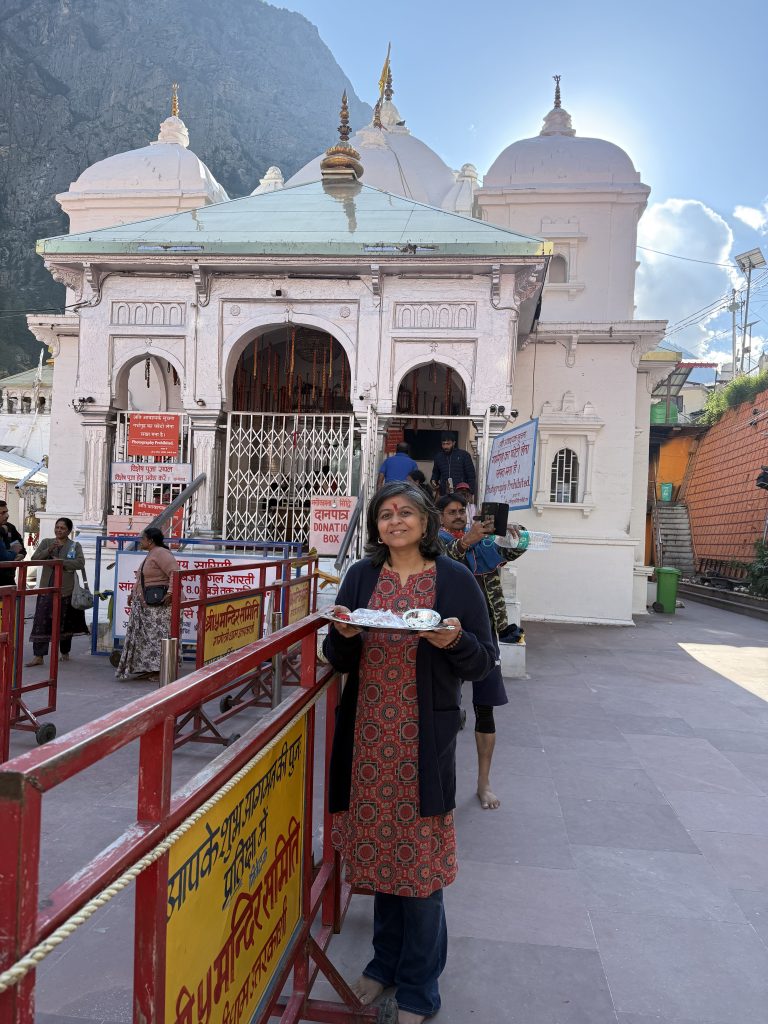
I had come with prayers, but in that moment, I simply surrendered. It had been a long journey from Dehradun via Uttarakashi, and I couldn’t have asked for a better way to start this new journey.
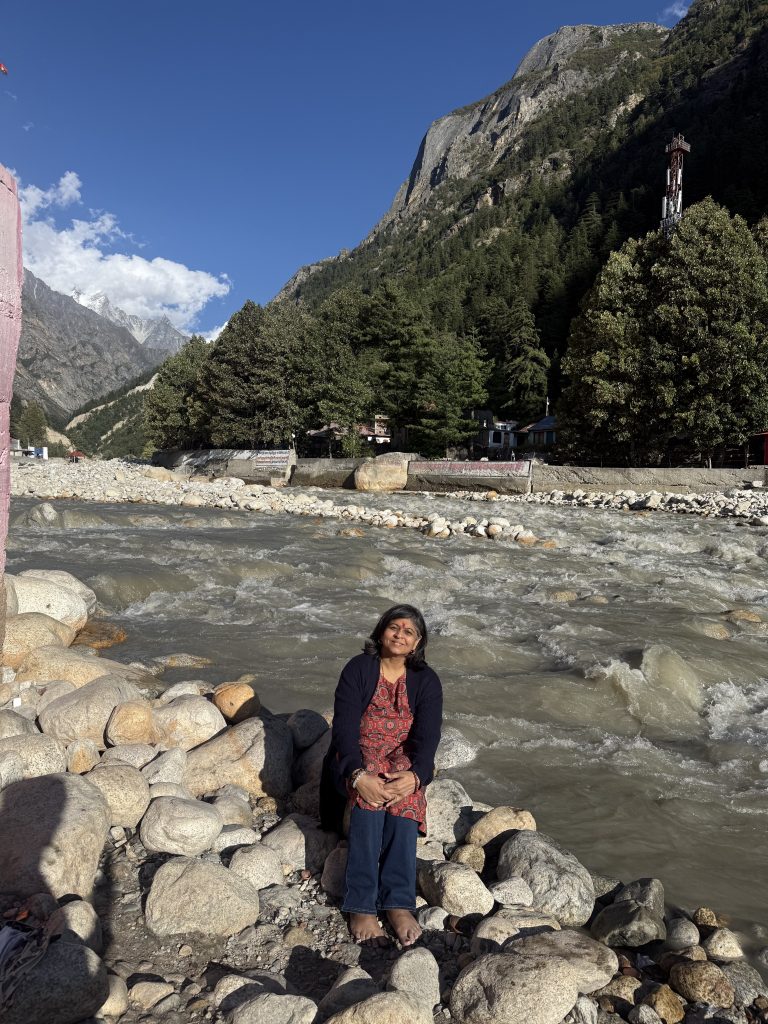
The cool mountain air touched my face as we sat on the rocks and dipped our feet into the clear, icy water. I sprinkled a few drops on my head, and for a while, that was all I wanted to do—sit there and meditate.
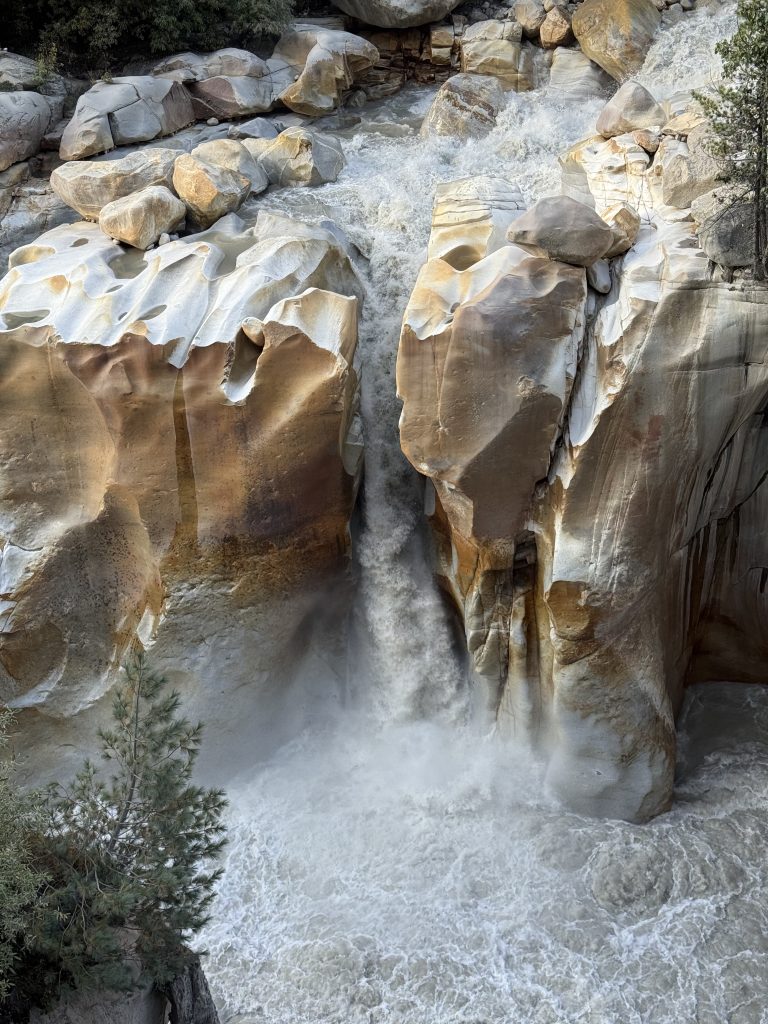
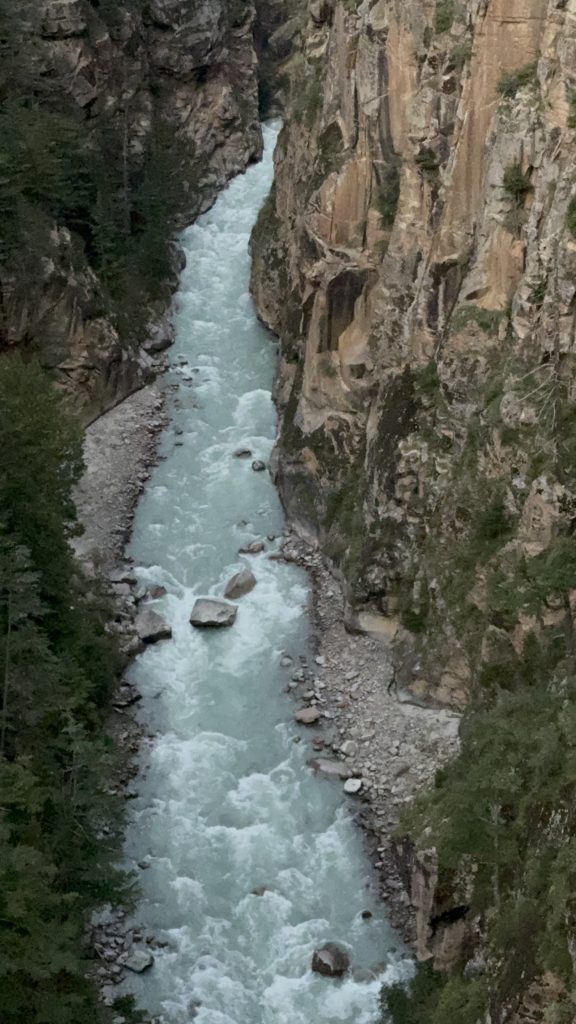
At Suraj Kund, the river roared over granite rocks into a deep pool. I watched the water tumble through the gorge, with the mountains rising around us, and felt no hurry to move on. It is also believed that Surya performed penance here as the first rays of the sun touched the earth. I had come to pay homage to the goddess, and standing there, I understood a little more of the reverence she inspires.
Rural Stays Gangotri – Experience Rural Tourism
I had come to Gangotri as a guest of Rural Stays Gangotri, a community initiative supported by UNDP and implemented by Village Ways. The initiative brings together residents from villages like Sukkhi, Jaspur, Purali, Jhala, Bagori, Harsil, Mukhba and Dharali who are born storytellers with profound knowledge of the local traditions and natural heritage.
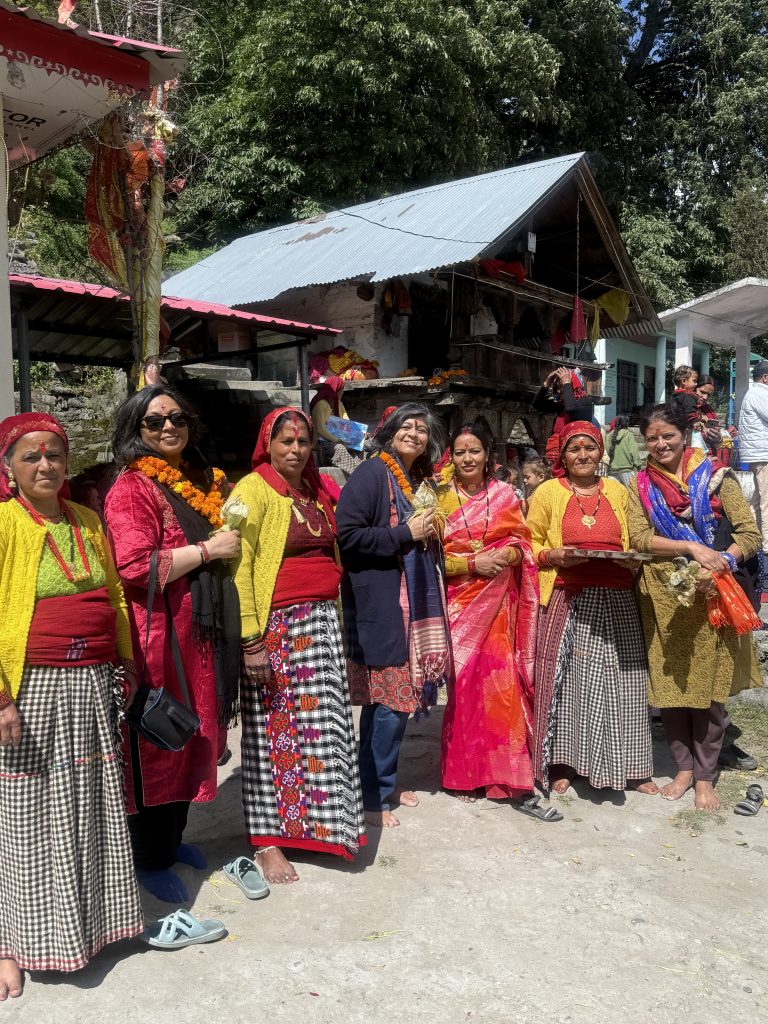
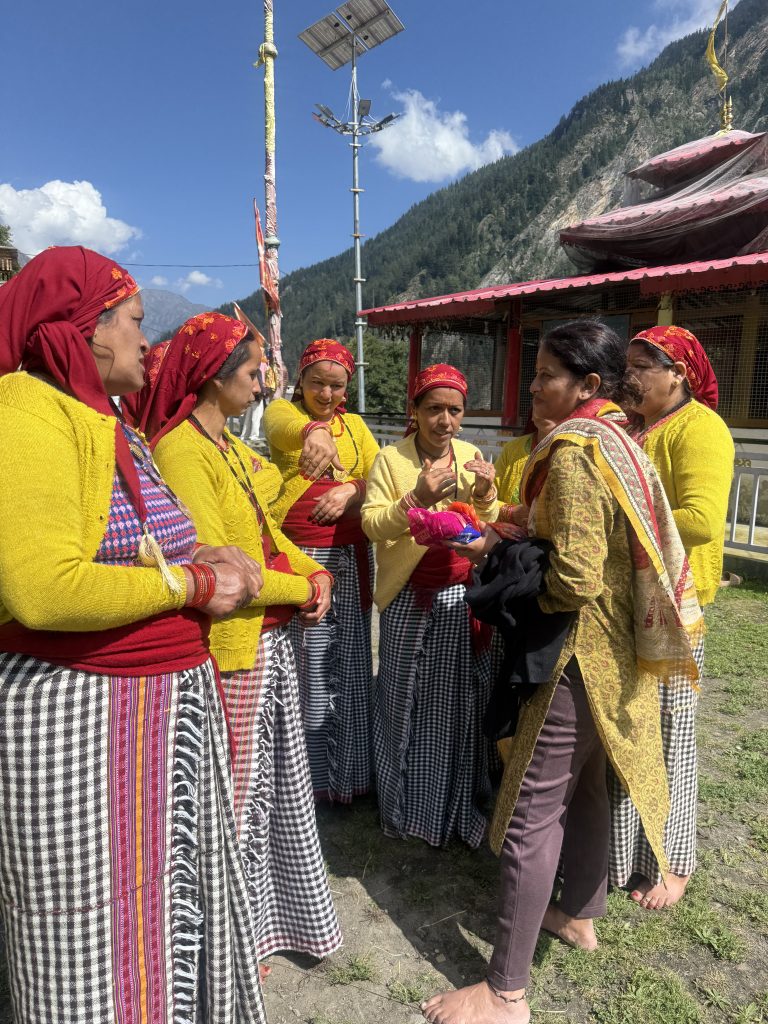
Each village has its own family-run homestays, so you can choose where to settle in and explore the valley from there. You can stay in Jhala, Purali, Jaspur, or Sukkhi, at the valley’s gateway, and make Gangotri part of a longer village journey.
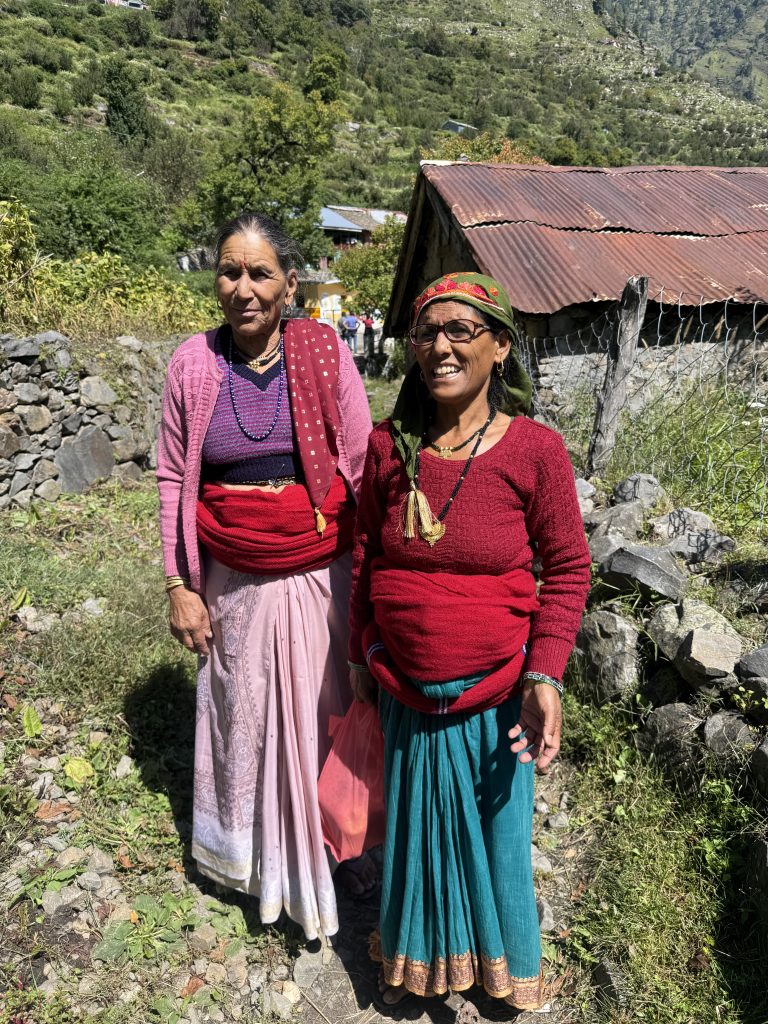
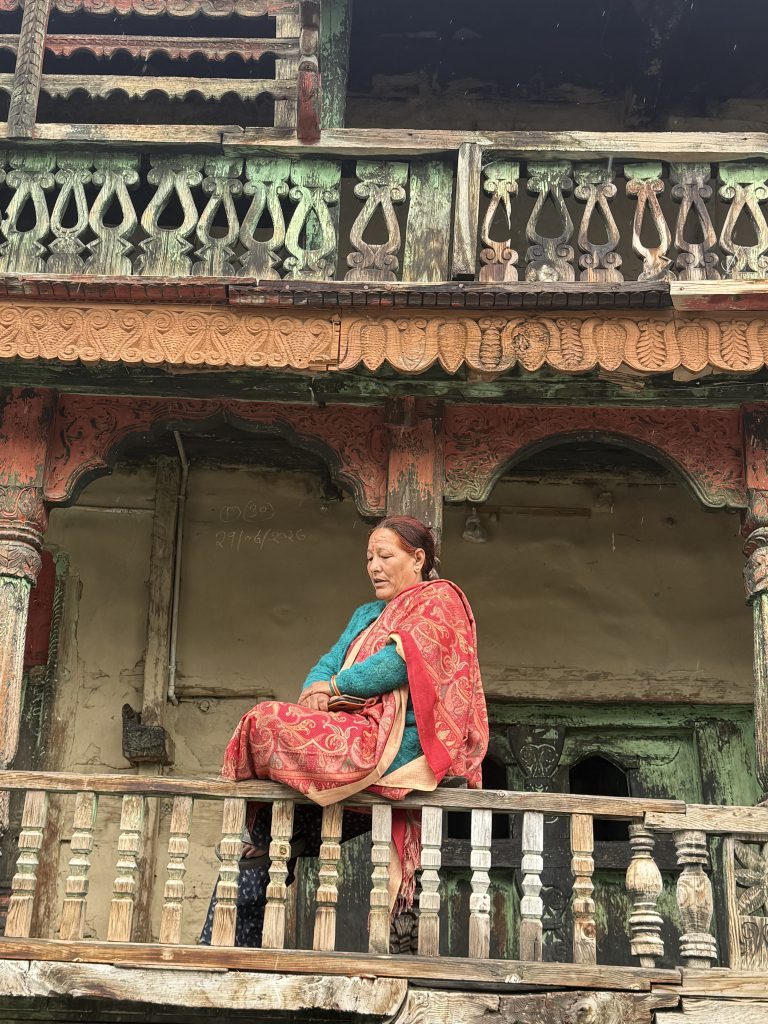
For many of us, Gangotri is a journey of faith, a pilgrimage to worship Ganga Maa, a hallowed temple on the Char Dham circuit. For most travellers, this road leads to a pilgrimage. For me, it was also leading into village homes, local legends, and the lives of people I was only beginning to know.
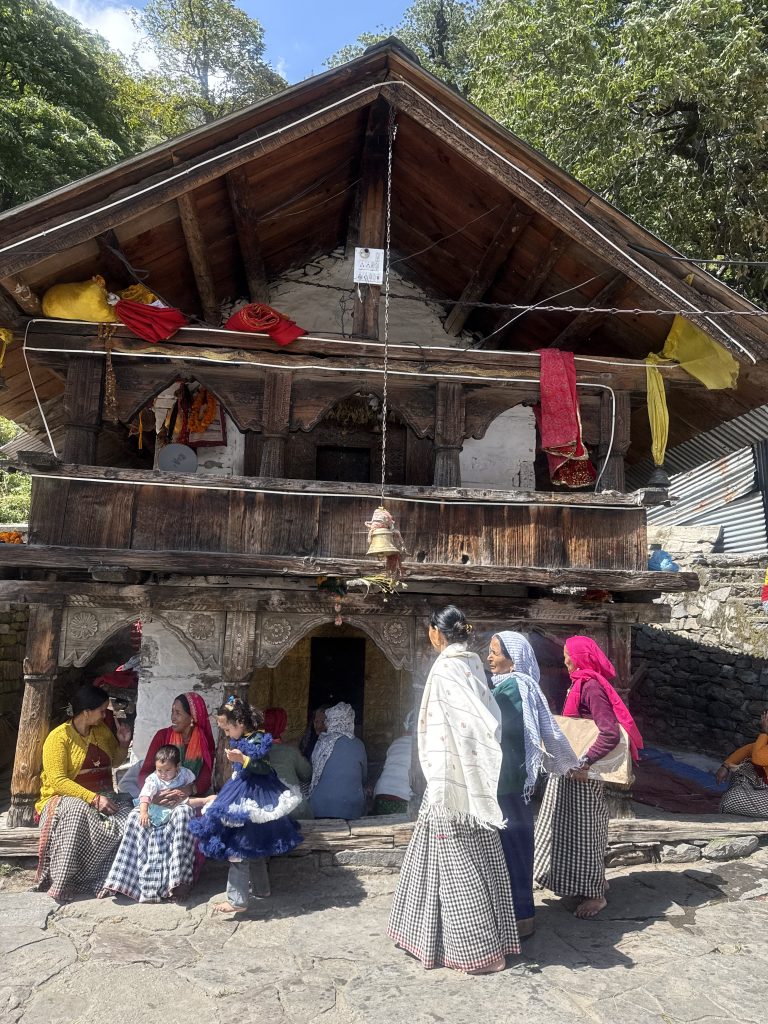
The villagers bring these experiences to life—families who open their homes to guests, local residents trained as guides, craftspeople who share their skills, and healers with deep knowledge of the jadibutiyan (medicinal herbs). They are the custodians of the mountains and rivers, carrying the secrets that whisper through the valley, their lives rooted in ancient customs.
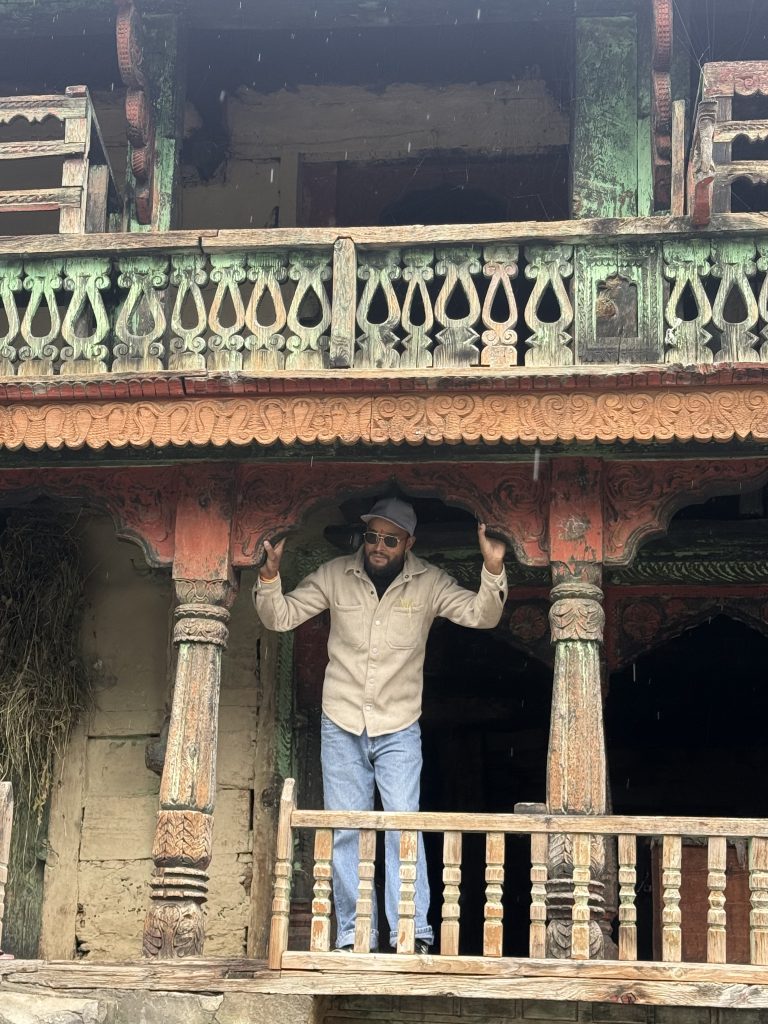
As we explored, our guide Dhiraj shared stories about the village temples and traditions. I wanted to stay a little longer, meet the people, and soak in Pahadi culture while supporting local livelihoods, slowing down and going with the flow, like the river herself.
Jhala – Feeling at Home
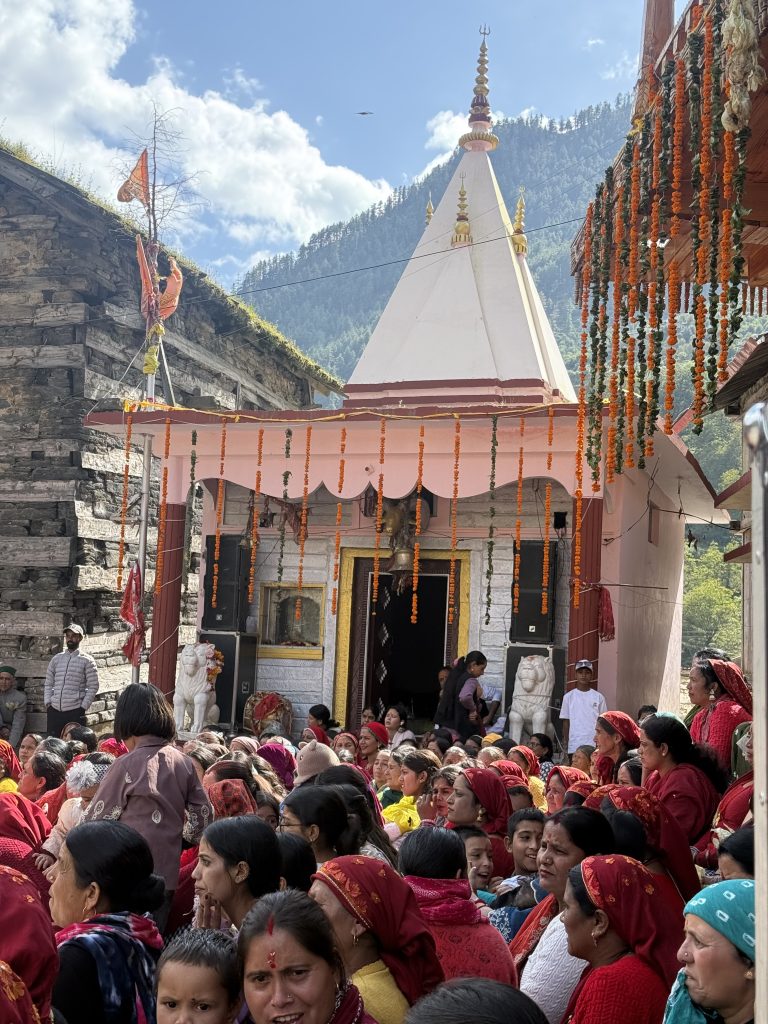
Jhala was my introduction to the alpine villages as the river meandered at her own pace, hemmed in by the mighty mountains. Dhiraj, who is from Jhala, mentioned that the village dates back about 500 years. According to legend, a shepherd saw a tiger and a goat living together and took it as a divine sign. That night, Goddess Jagdamba appeared in his dream and asked him to build a temple there. Standing in front of the temple, I learnt that the village’s name was associated with Goddess Jwalpa, which gradually became Jwala and then Jhala.
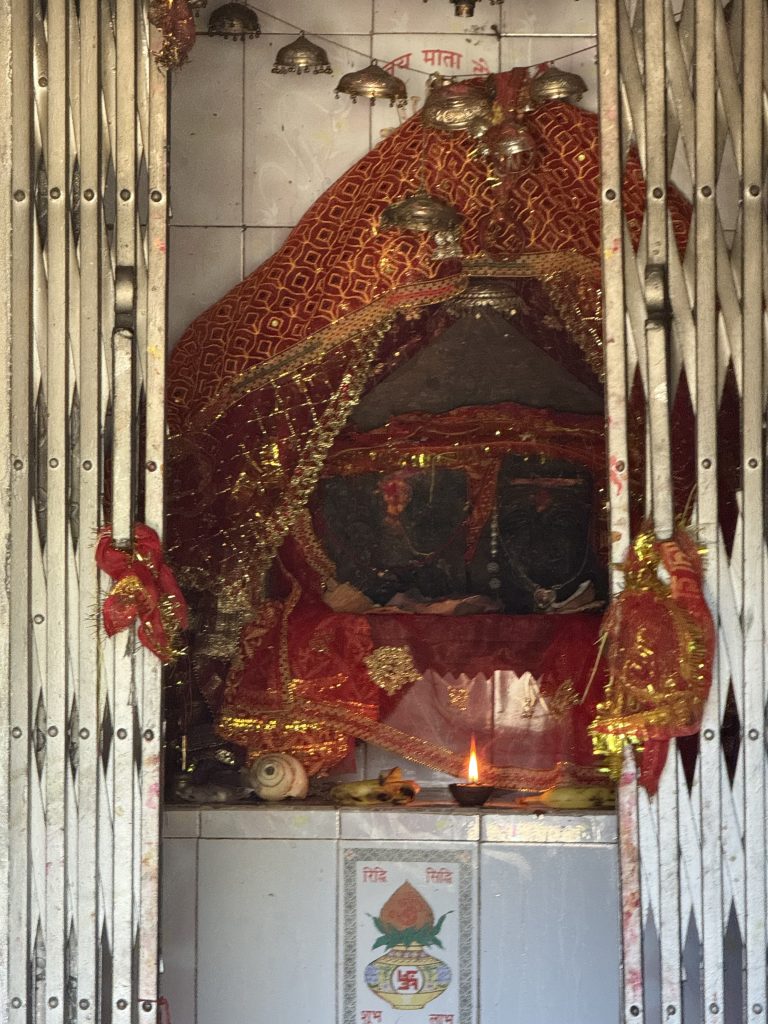
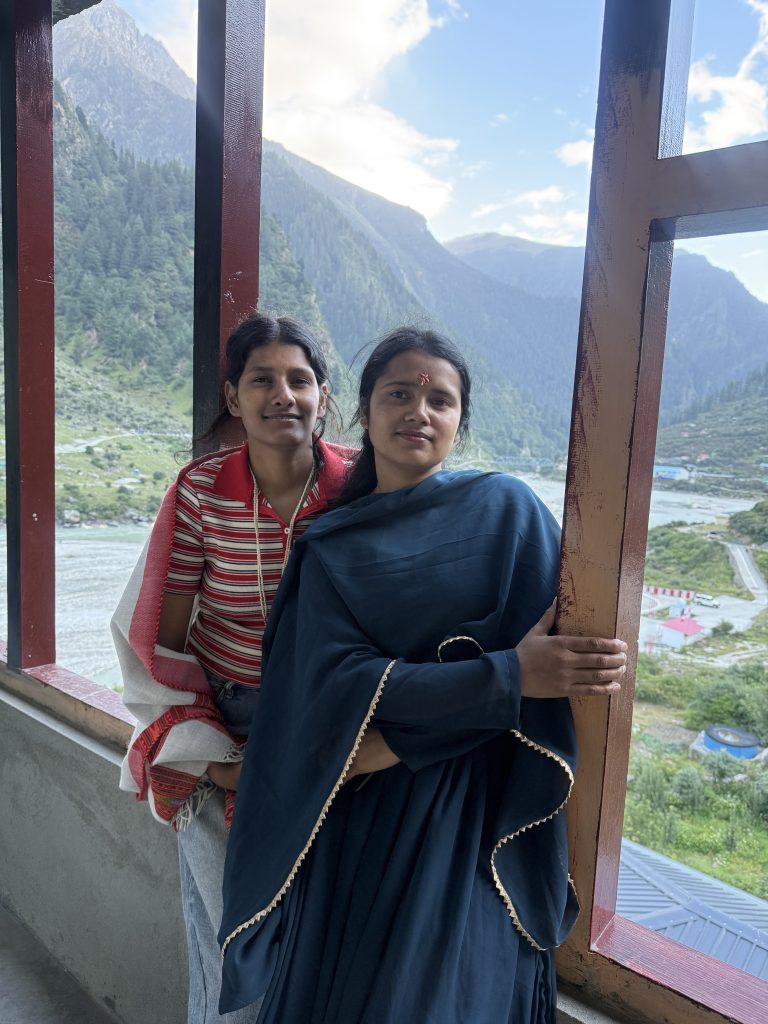
But the most memorable experience was my stay at River View Homestay, run by Jyoti, her cousin Khushi, and their families. Located just a few steps from the temple, the homestay instantly felt like my own home in the hills.
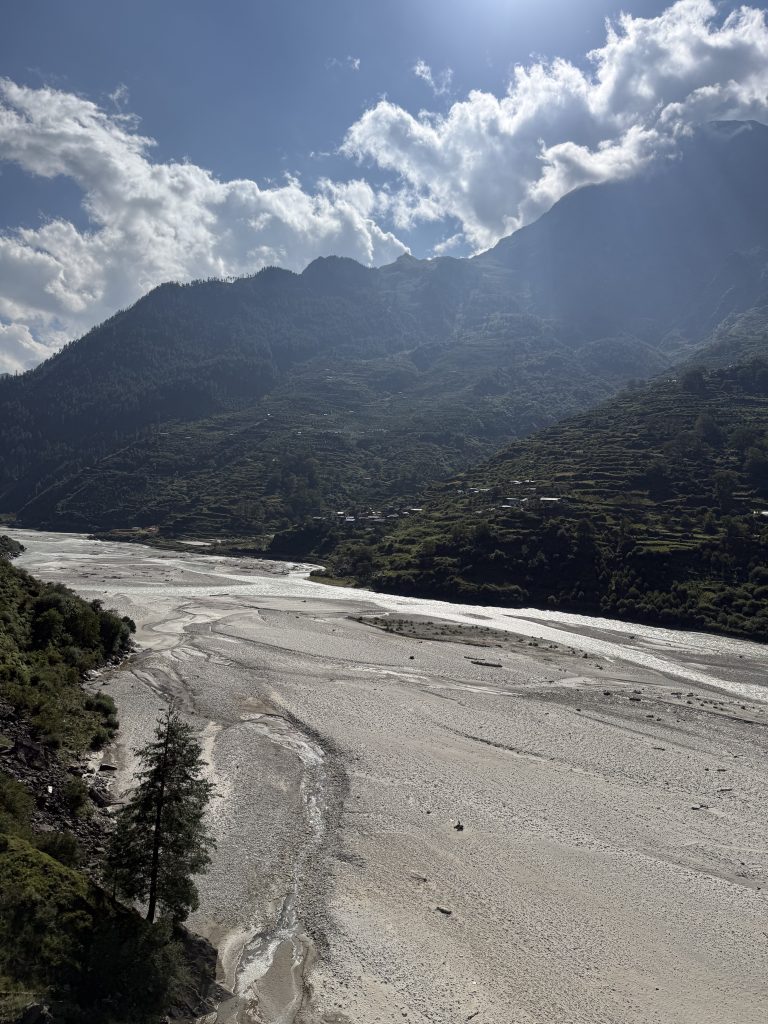
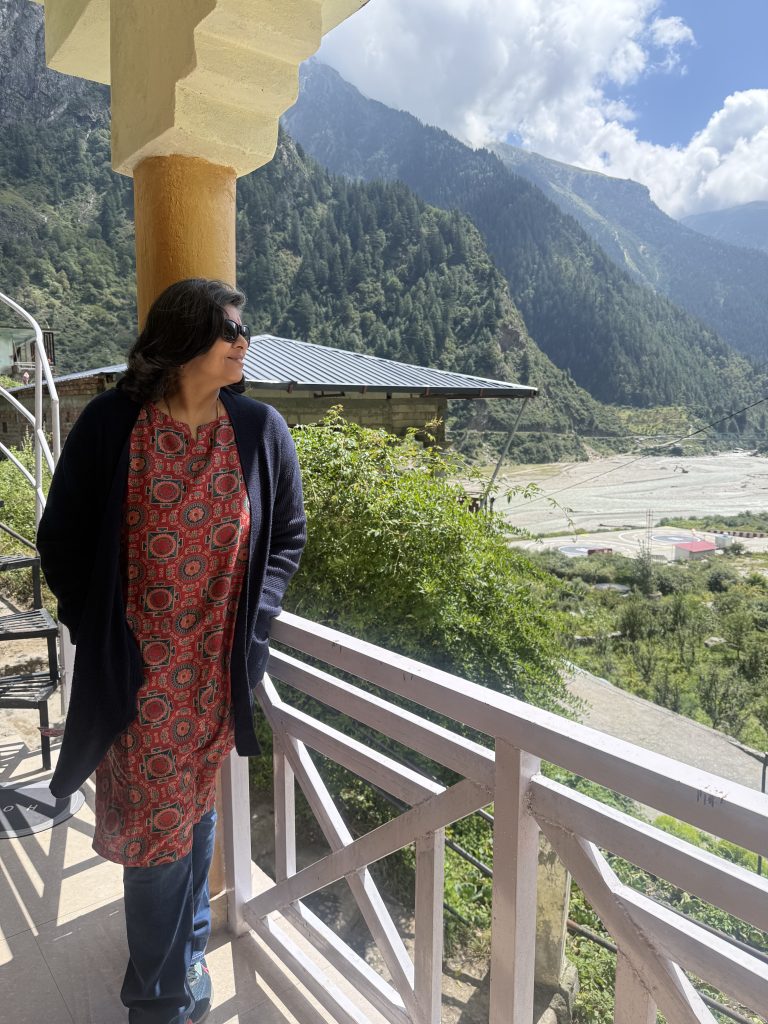
My room was a cozy, little wooden chalet, with a balcony overlooking the river and the mountains beyond. I would stand on the balcony with a cup of tea, looking out at the green slopes and the river flowing below. On sunny mornings, birds came calling, and the mountains stood clear against the sky.
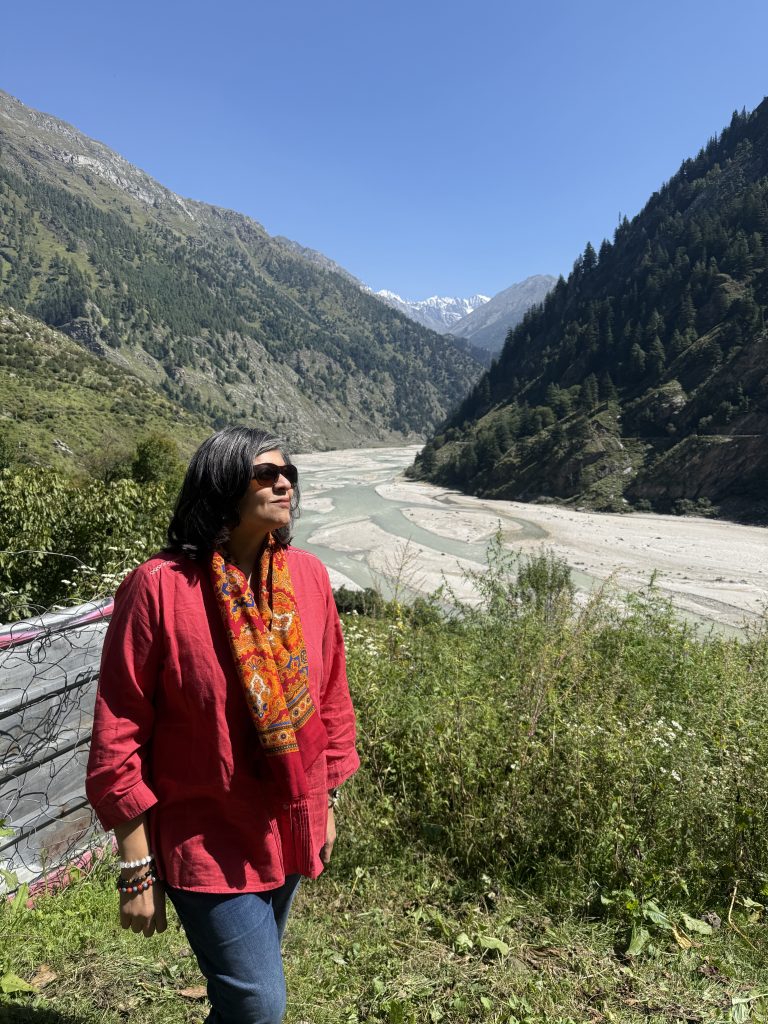
When it rained, mist floated over the valley, hiding the peaks and revealing them again, giving me a reason to linger a little longer. Only the helicopters taking off and landing nearby disturbed the peace.
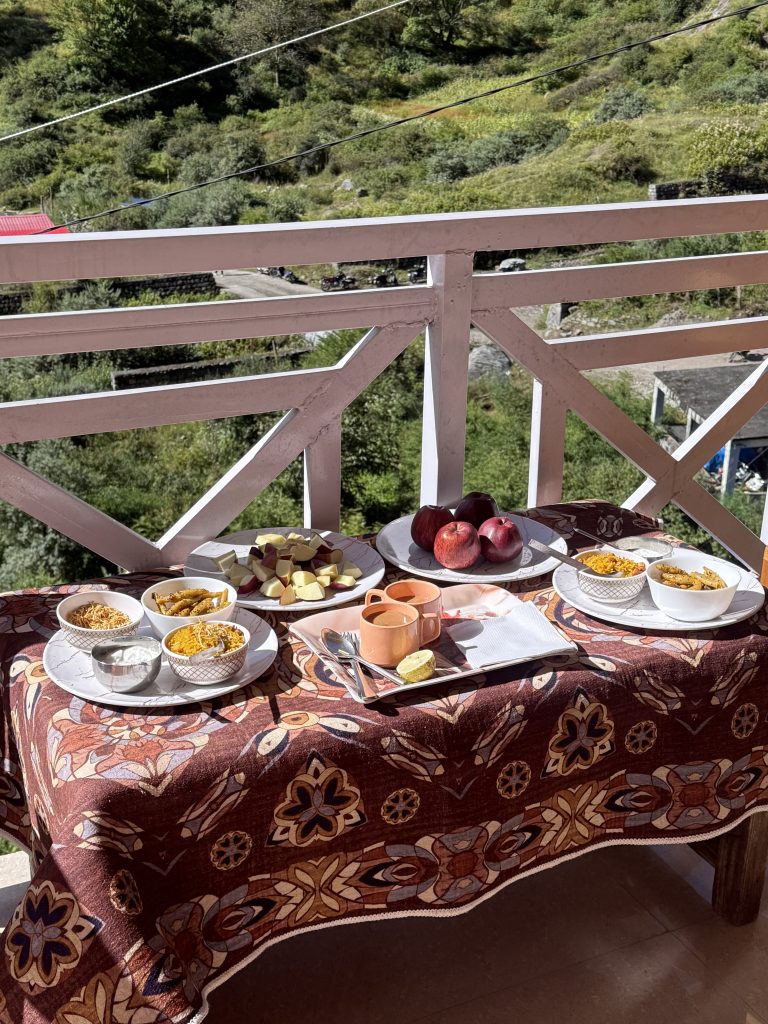
Jyoti and Khushi made the stay feel so personal. We savoured simple, delicious Pahadi meals on the balcony, and I spent hours talking with them, listening to their dreams late into the night. We explored the village together, and returning to the homestay felt like coming home. Somewhere along the way, our young hostesses had become friends. I had come to explore a village but met people I would miss when it was time to leave.
Along the Old Pilgrims’ Trail
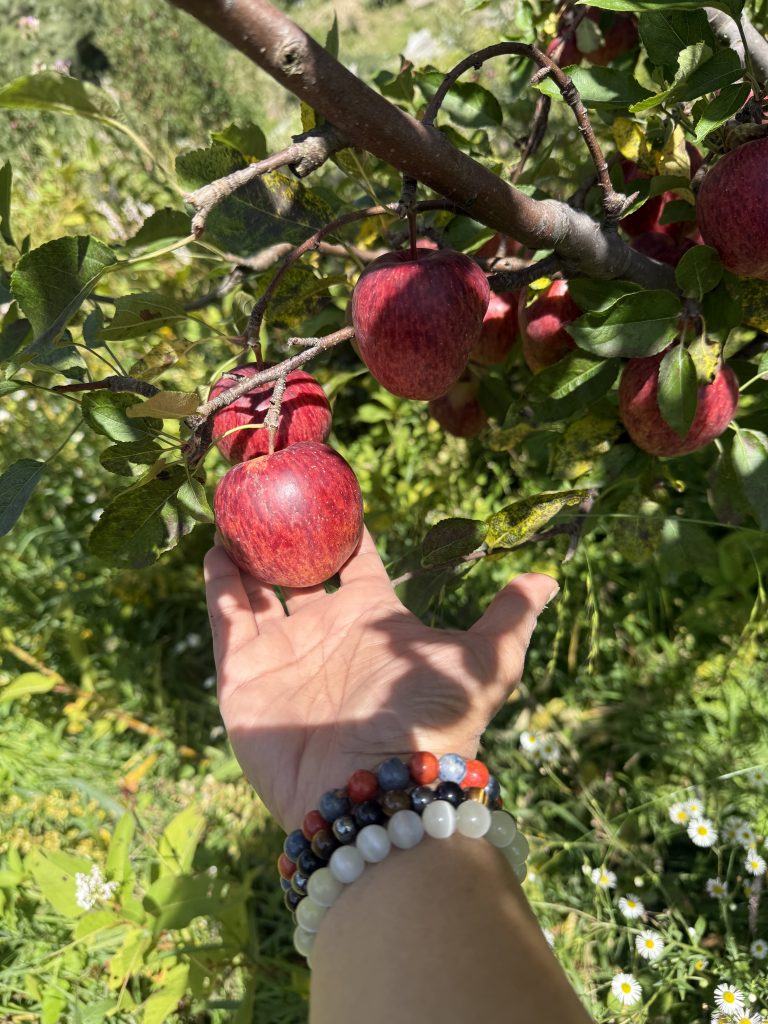
We wandered through apple orchards, visited the village temples, and Dhiraj took us on a hike along the river, which was part of the old Pilgrims’ Trail. We followed a weathered, winding path where the old trade and pilgrim routes meet—paths once traveled with goods, prayers, and hopes, with the river flowing beside us. The villagers invited us home as we shared a cup of tea with fireside stories.
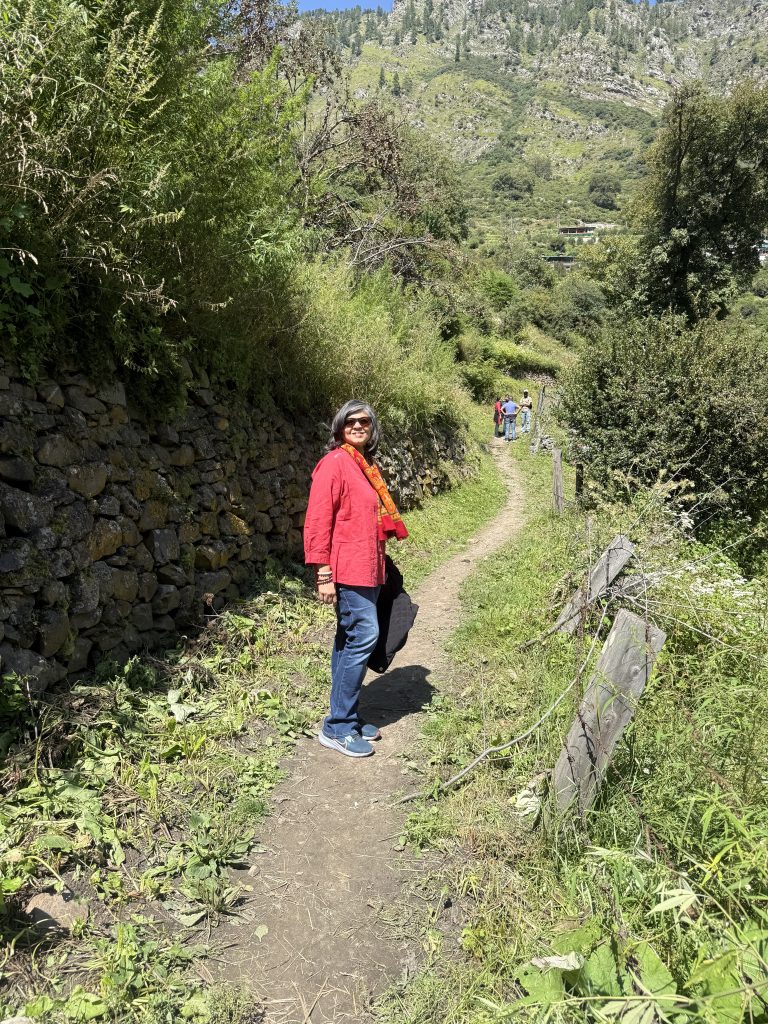
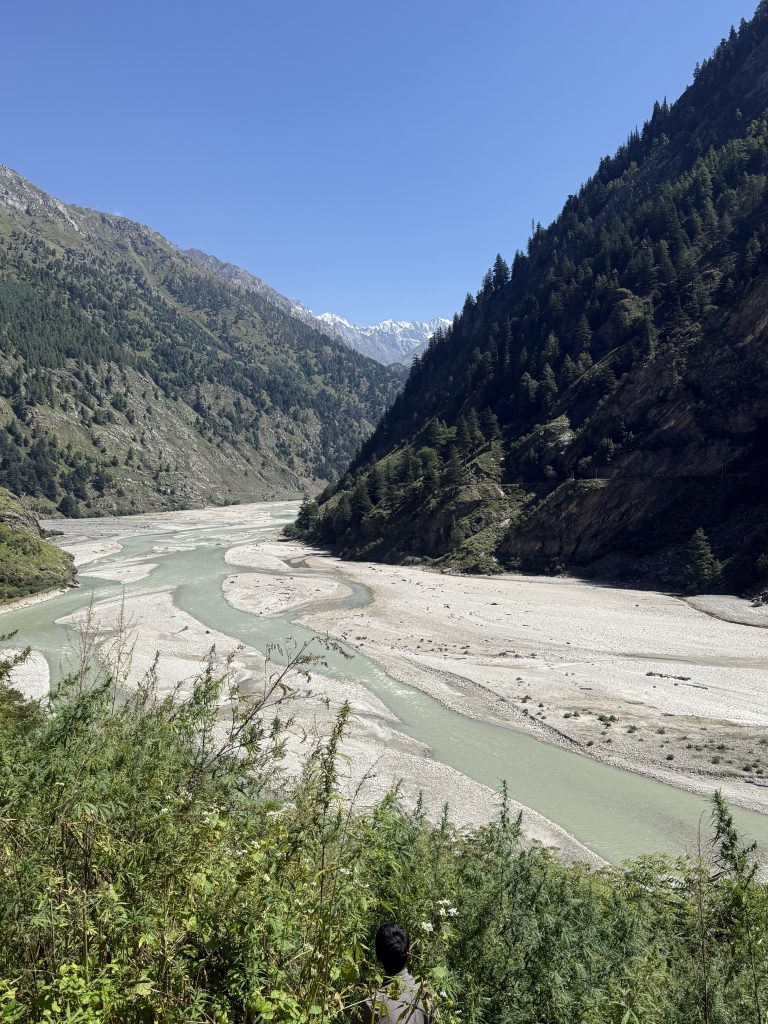
The trail links Jhala with Purali, Bagori and Harsil, passing old wooden homes, farms and orchards, and crossing the Shyamganga along the way. We walked for a little while, admiring the views and losing ourselves in the pristine natural world.
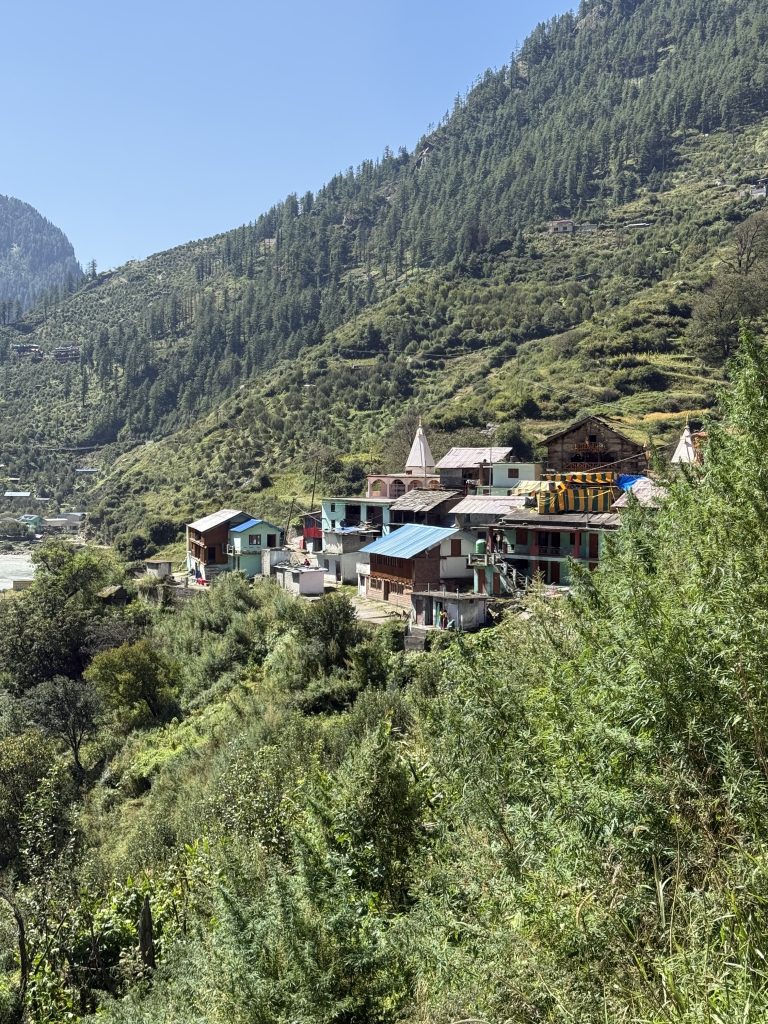
More trails tempted us—the Monal Trail above Purali, the walk to Khadra Waterfall from Jaspur, and the ancient yew forest at Sukkhi, and every trail took us a little further into the life of the valley, telling its own story along the way.
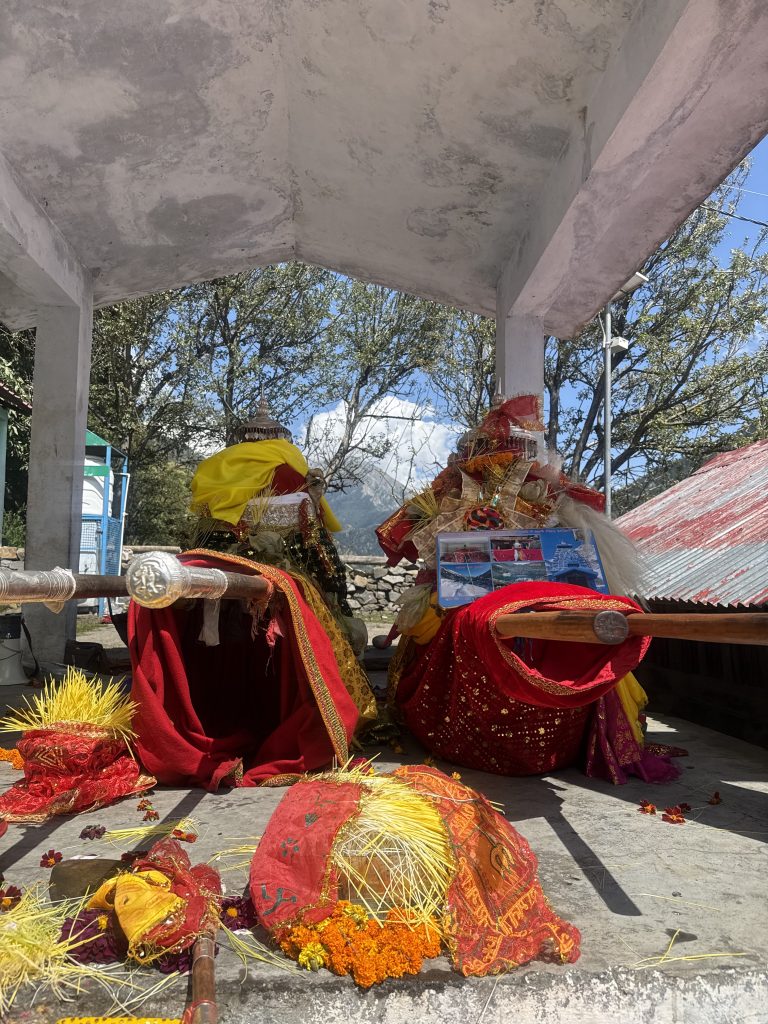
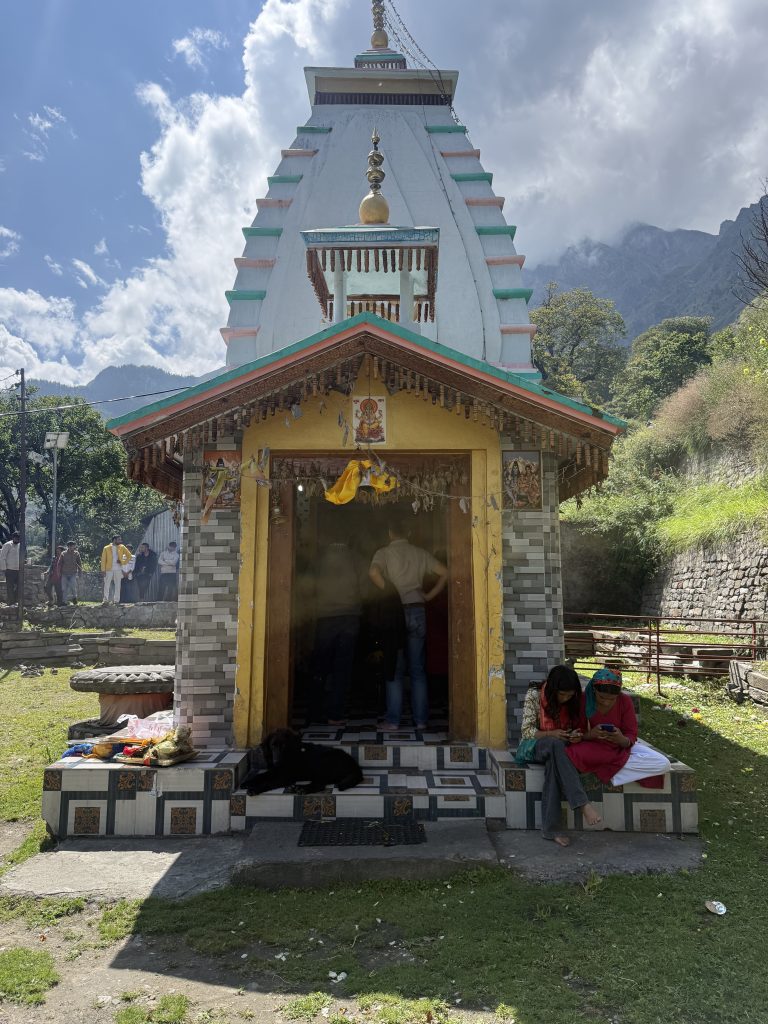
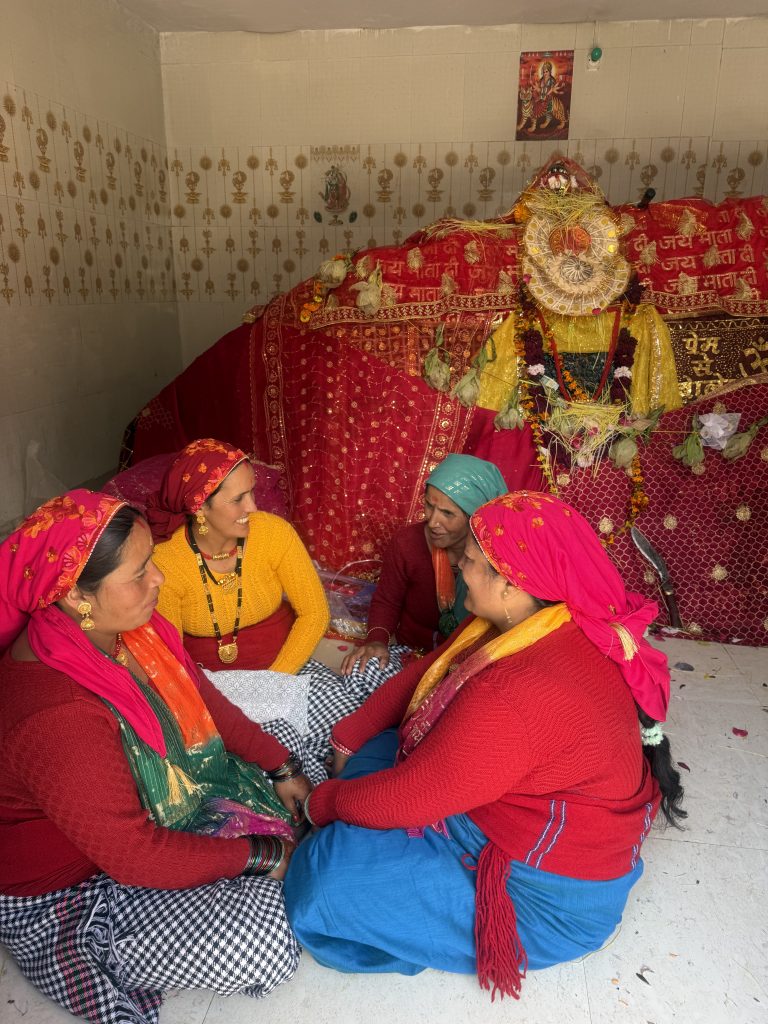
Celebrated in a few villages across the Harsil Valley for centuries, Selku is dedicated to Someshwar Devta and Nag Devta, and villagers are believed to trek to mountain peaks to bring fresh Brahmakamal blooms as an offering to the deities. Some of the young women, with their colourful headscarves or dhanthu fluttering in the breeze, pulled me into a traditional dance called Raso as I lost myself in the festive atmosphere.
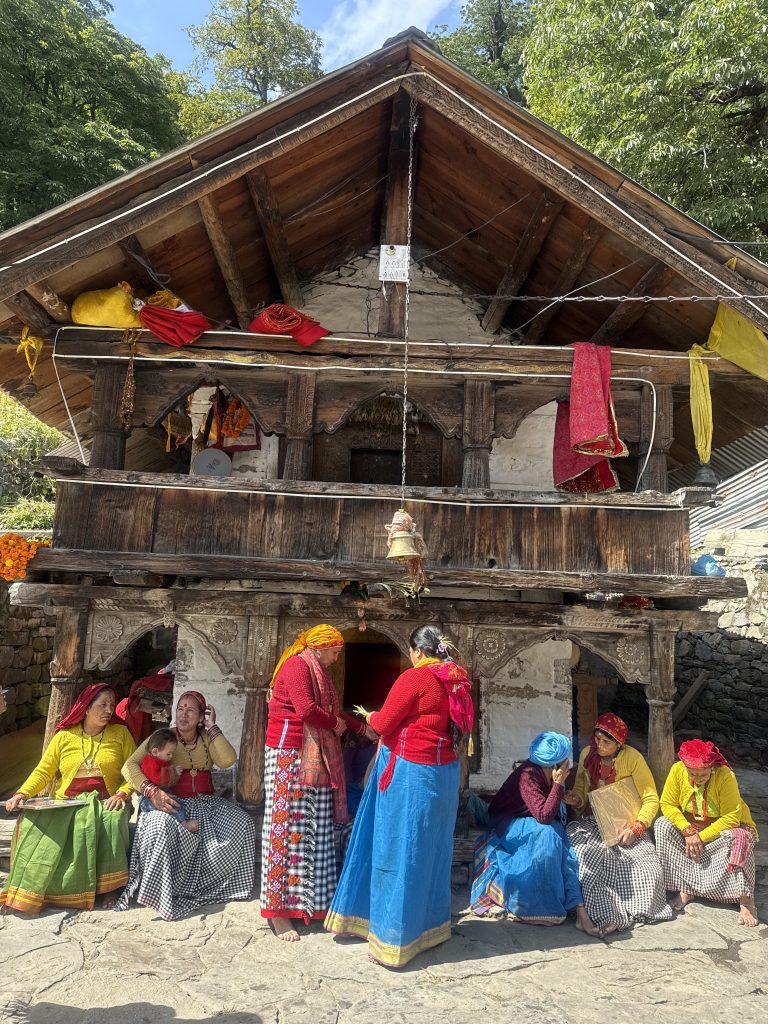
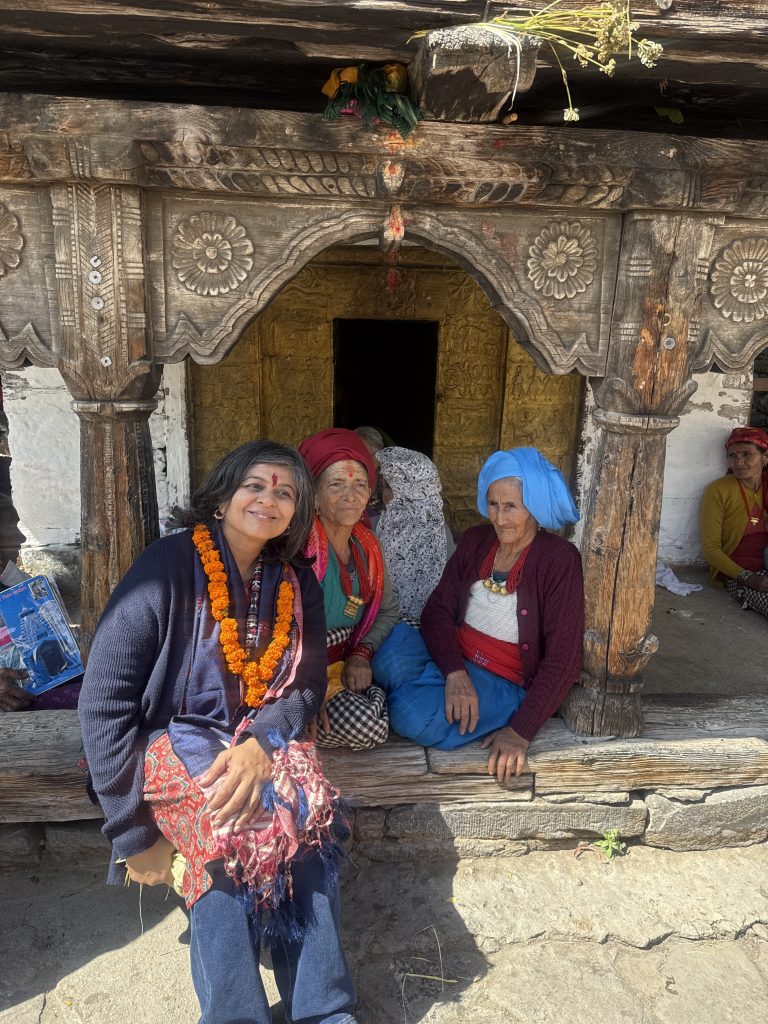
It started raining as we pottered around Purali, one of the oldest villages in the valley. Dhiraj told us that the ancient Tripurari Mahadev temple was buried during the 18th-century earthquake, and that Brahmi Nag Devta, the village’s guardian deity, revealed its location to the villagers, leading to its excavation. The sacred stone slab worshipped as Shakti in the village’s Durga temple is also believed to have been unearthed following his guidance.
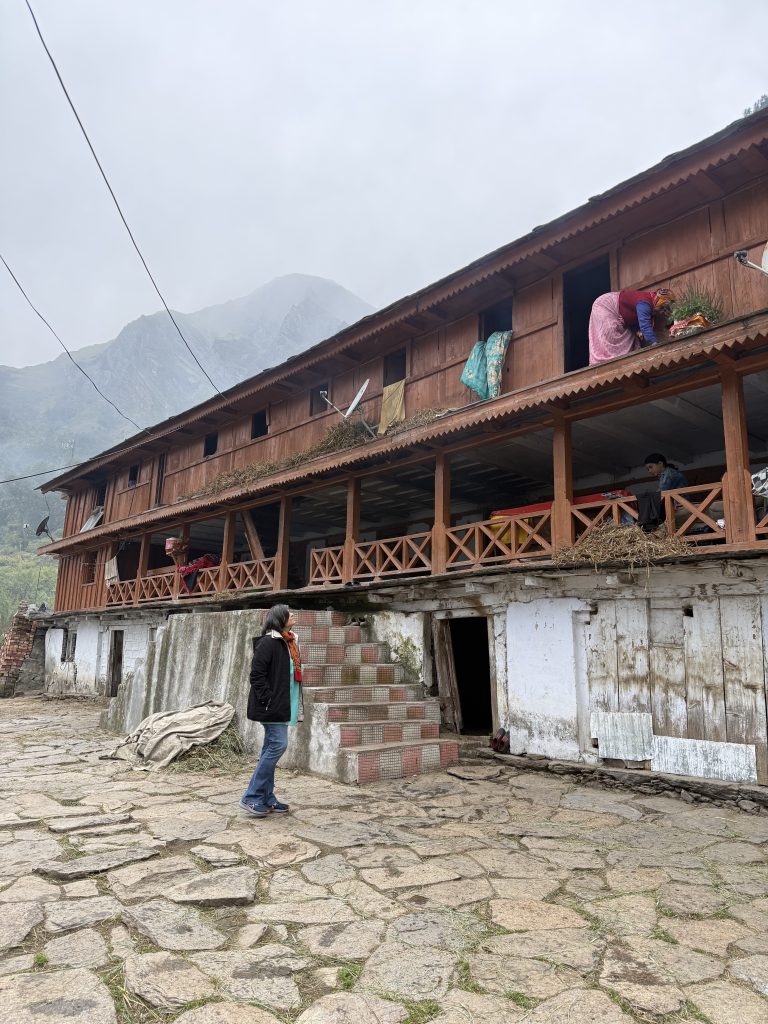
With rain falling over the hills, we spent the day in one of Purali’s oldest wooden houses, home to four generations and nearly thirty family members. I was moved by the warm hospitality of the witty and charming matriarch Chanda Devi, who took us into the past through her stories.
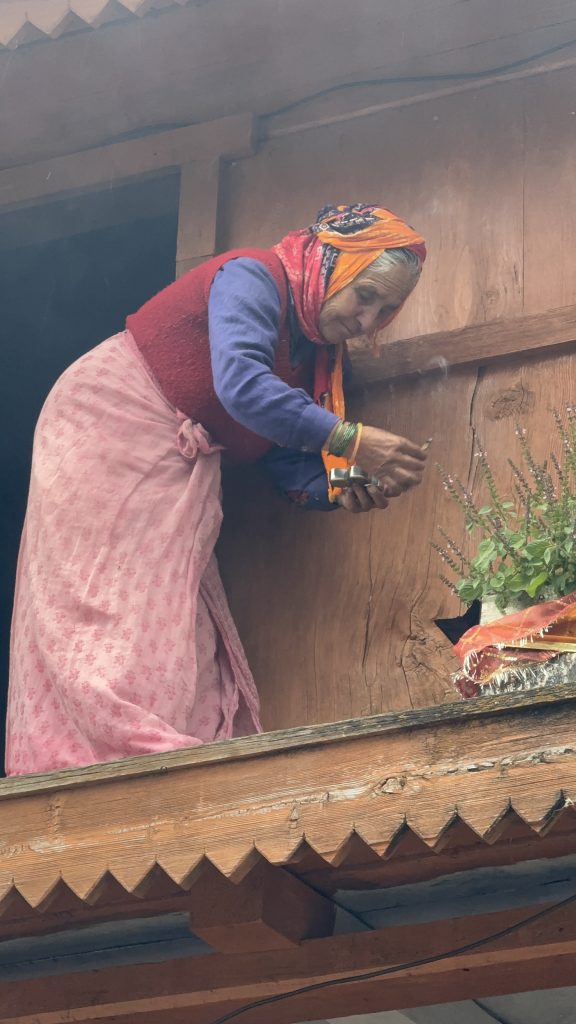
I walked around the home and wondered how many seasons it had weathered. We shared a meal with the family as the women from the local crafts group joined us, showing us their beautiful knitted handmade products.
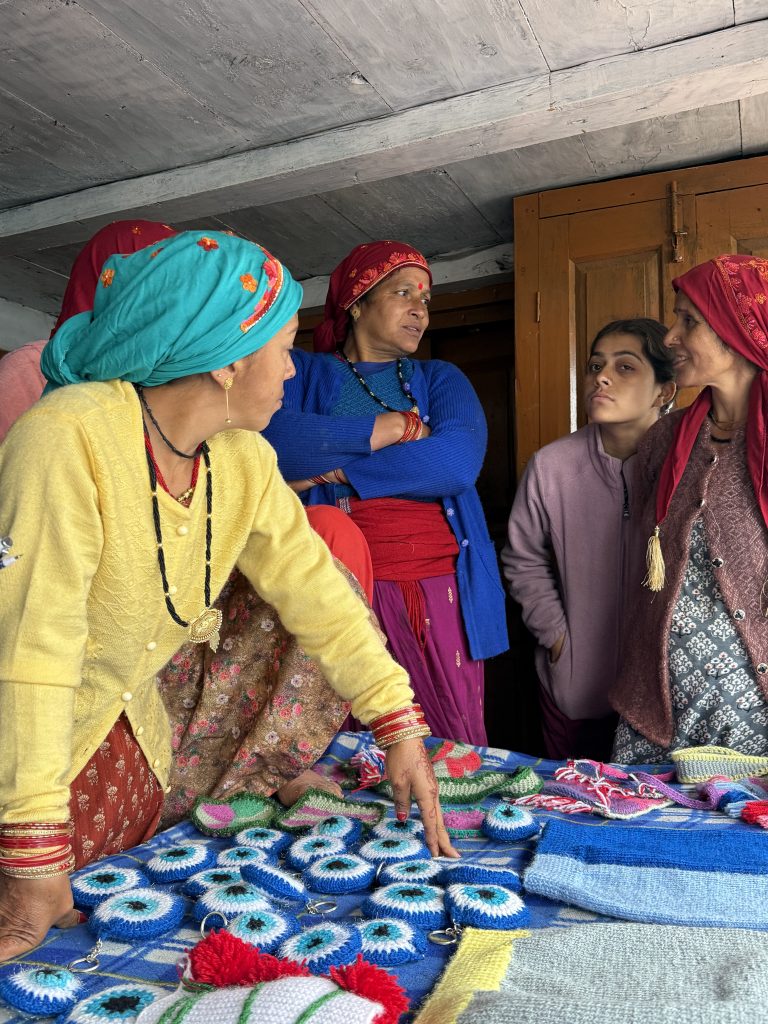
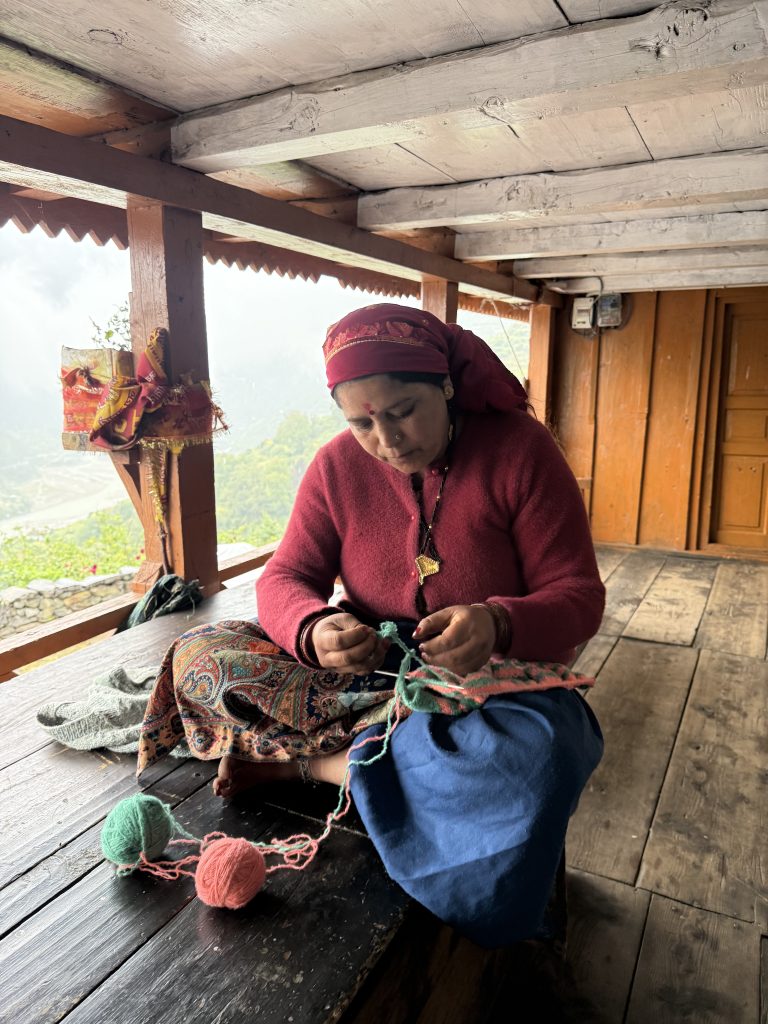
Purali also has its own homestay under the Rural Stays Gangotri banner, where you can stay in an old village home, with time to sit with your hosts and hear the stories held within those wooden walls.
Village Hopping – Jaspur, Sukkhi and Mukhwa
From Purali, we continued exploring the neighbouring villages, each with its own stories. In Jaspur, snow-capped mountains hemmed us in as we wandered past ancient temples, old wooden homes, waterfalls, and apple orchards.
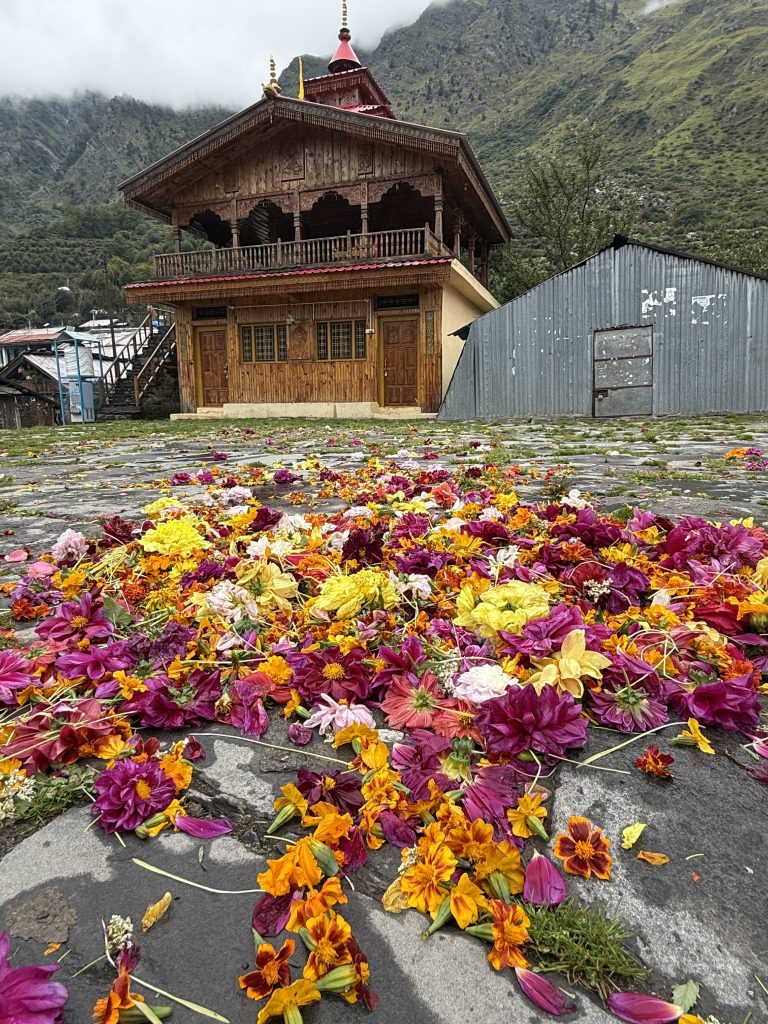
Locals still call the village Hurgu, after a sage believed to have lived here, and its Panchanama Devta temple houses idols said to have been unearthed in the village itself. A trail from Jaspur also leads through alpine meadows to the Khadra Waterfall.
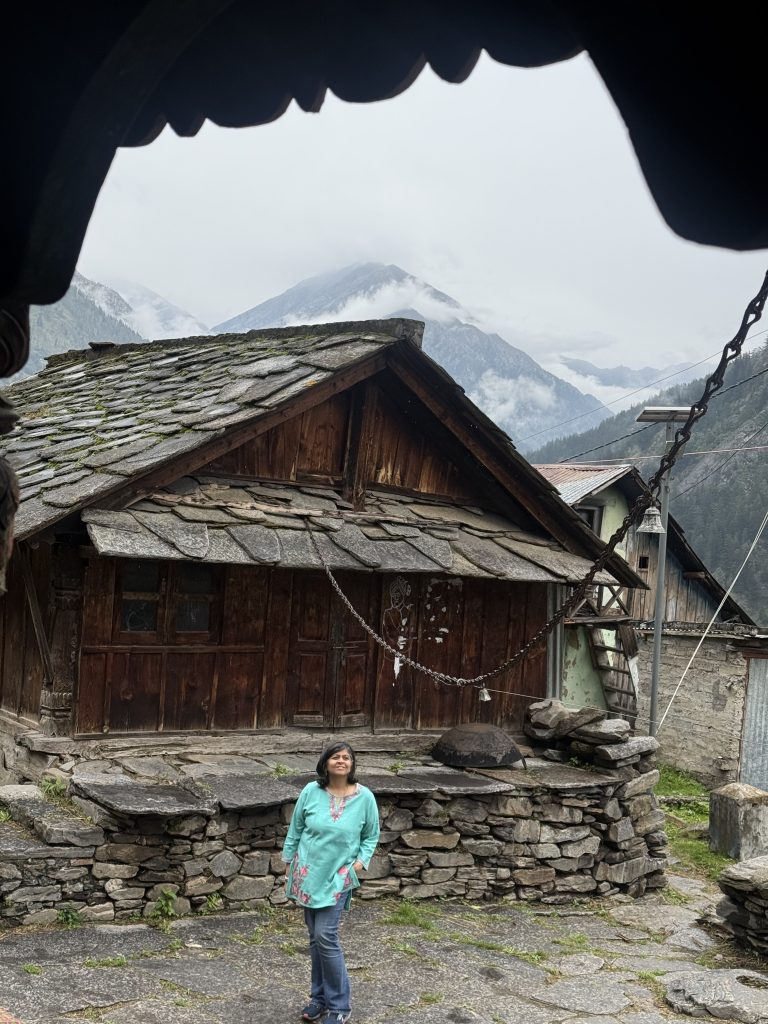
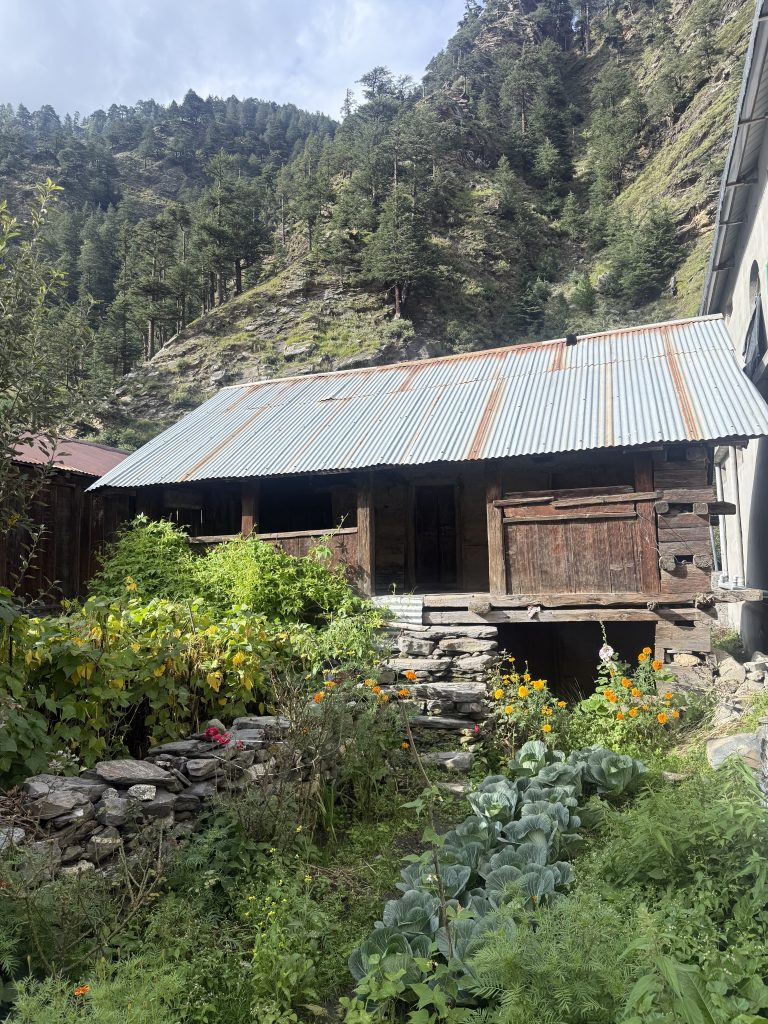
We were also guests at a lovely aesthetic homestay that felt like a little wooden chalet in the mountains, overlooking apple orchards, fields, and snow-capped peaks. A flight of steps led to the hosts’ home and a small open courtyard, where we could enjoy the mountain views.
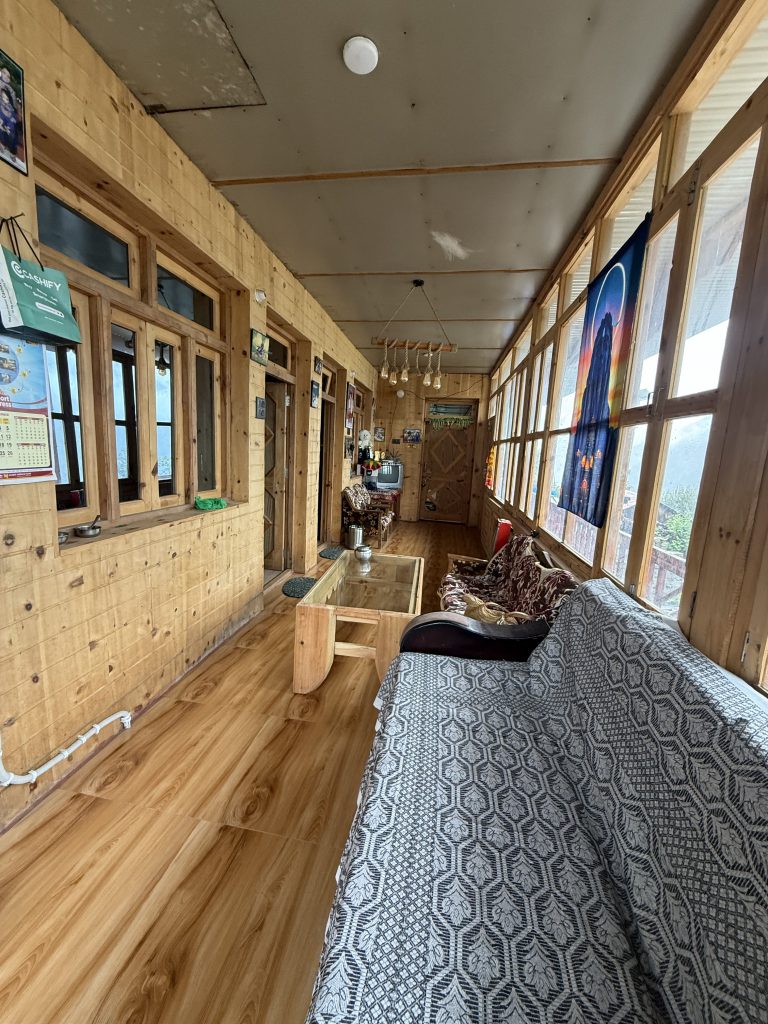
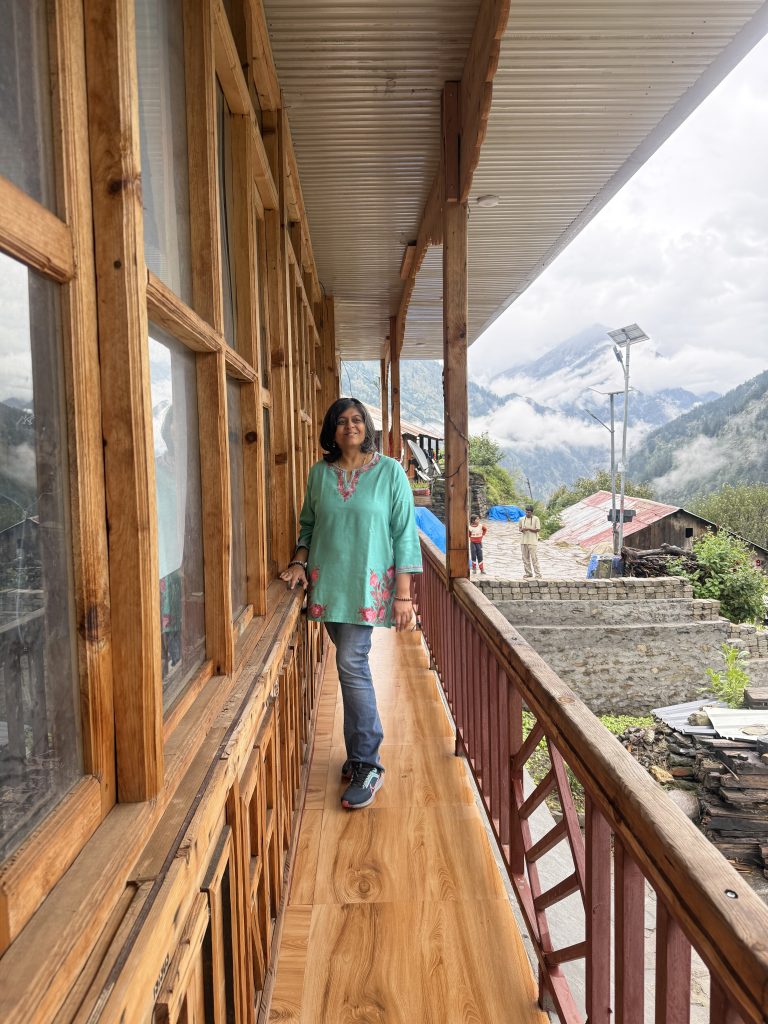
We stepped into a magnificent old deodar-wood house that felt like a grand mountain haveli. A touch of nostalgia and romance oozed from the deodar pillars and arches. These traditional homes were built with a deep understanding of mountain life—to withstand earthquakes, keep the rooms warm, and shelter large families.
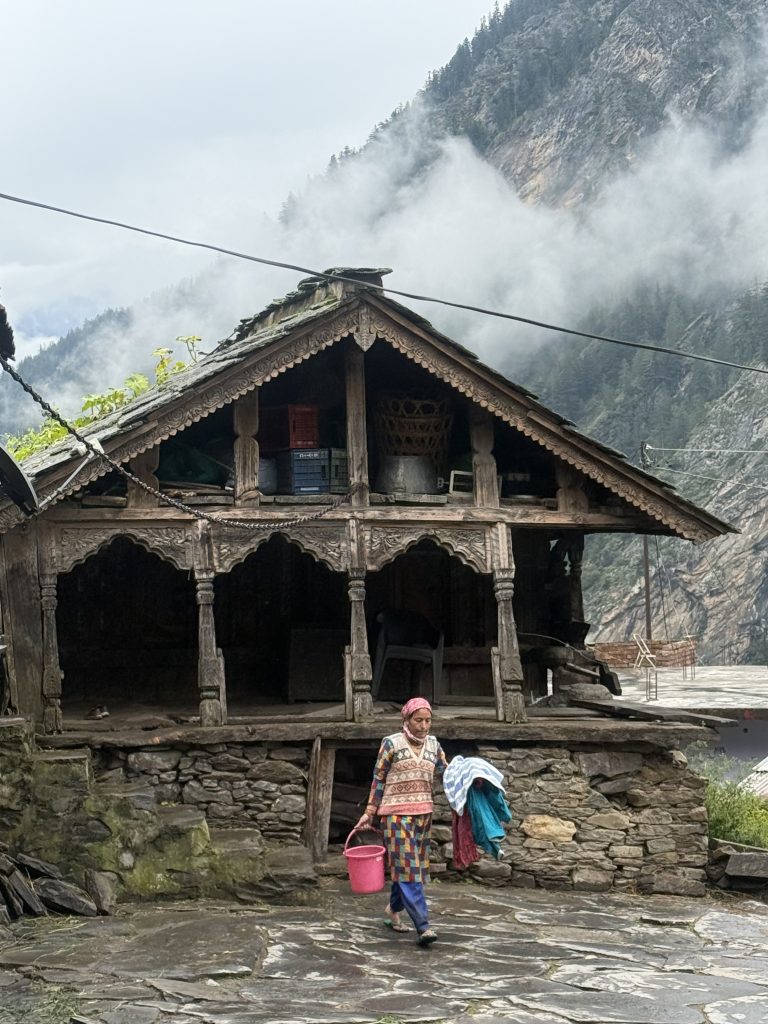
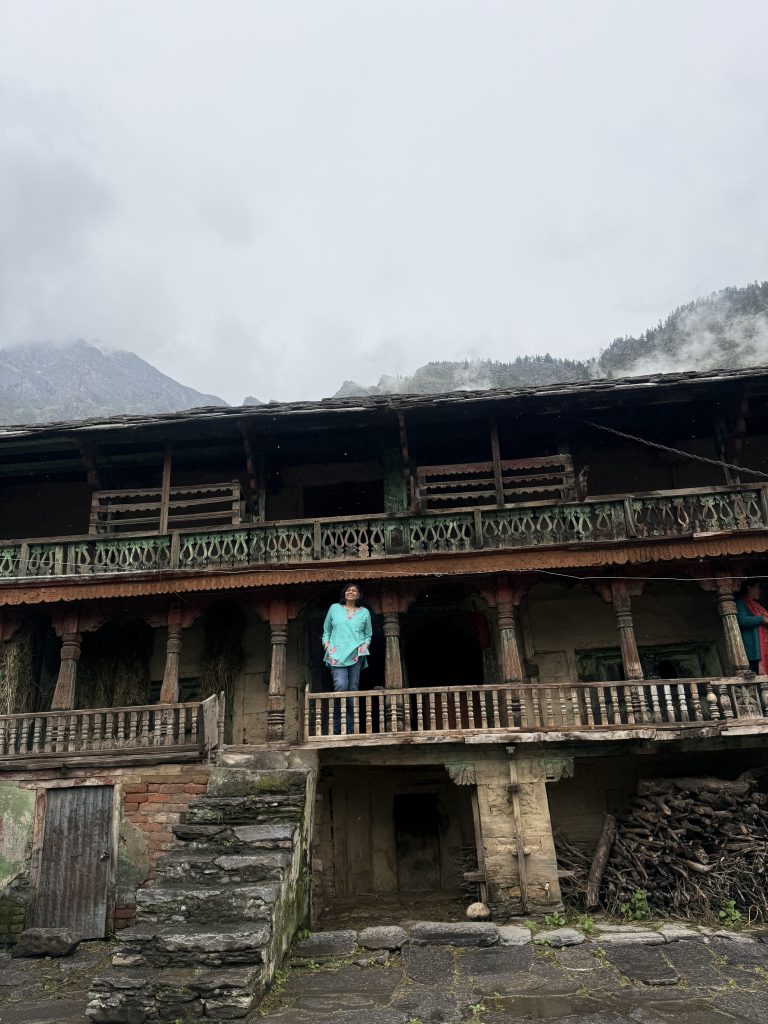
The cattle stayed in the goshala on the lower level, while the family lived on the floors above. Standing on the atmospheric balcony, I was lost not just in the views around the village but in the unsaid stories that resonated from the walls.
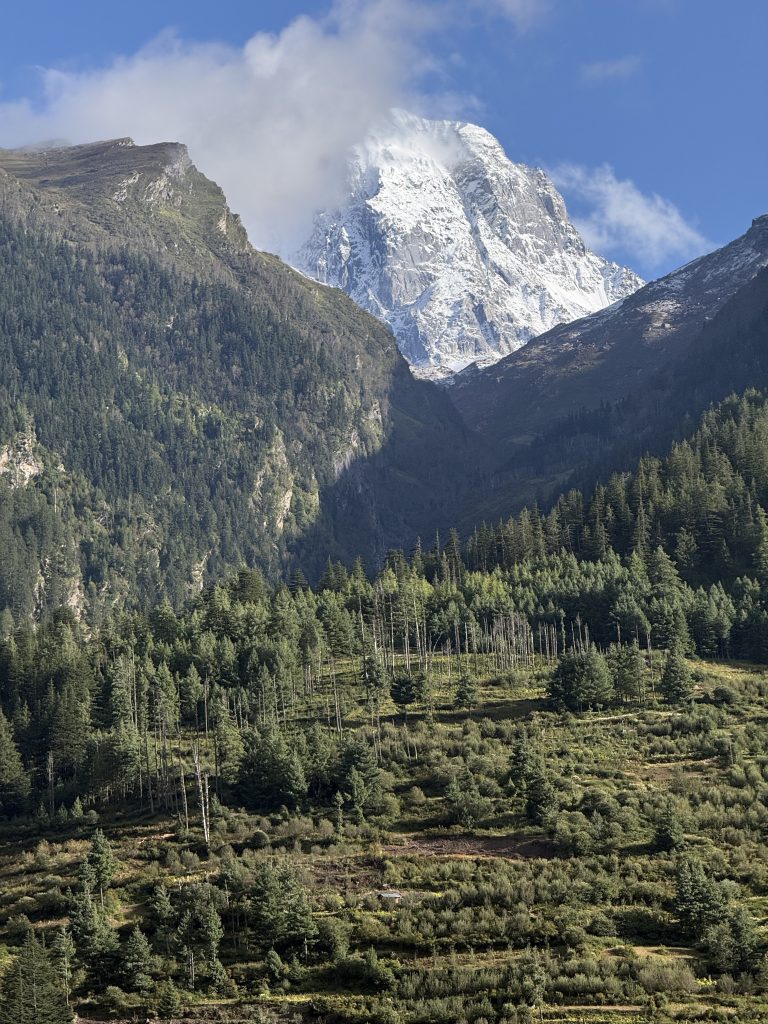
Our trail took us further to Sukkhi, at the gateway to the Harsil Valley, with its own tales of sages and deities, along with a forest of ancient Himalayan yew trees. The village also has homestays run by local families for those who wish to stay longer.
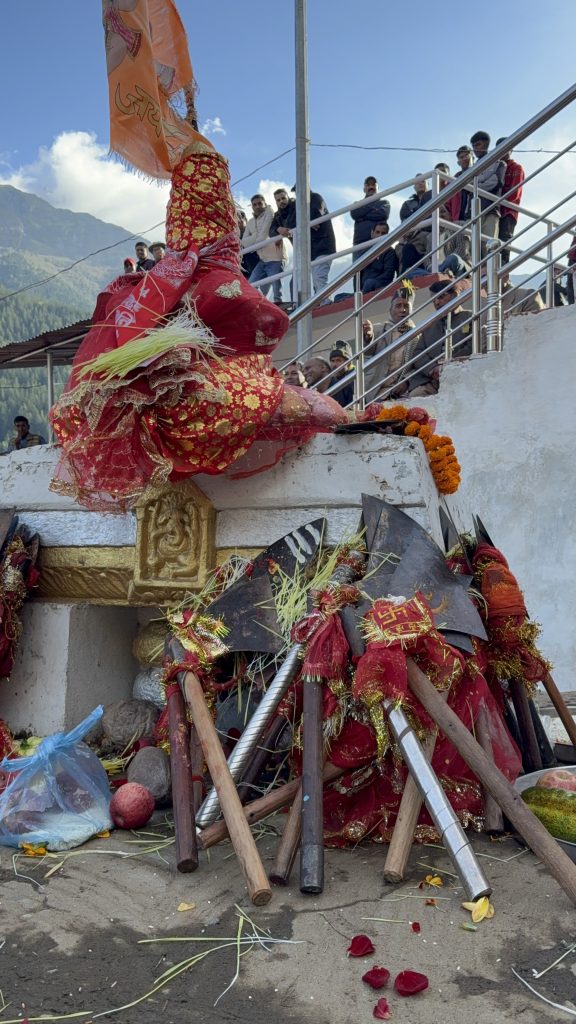
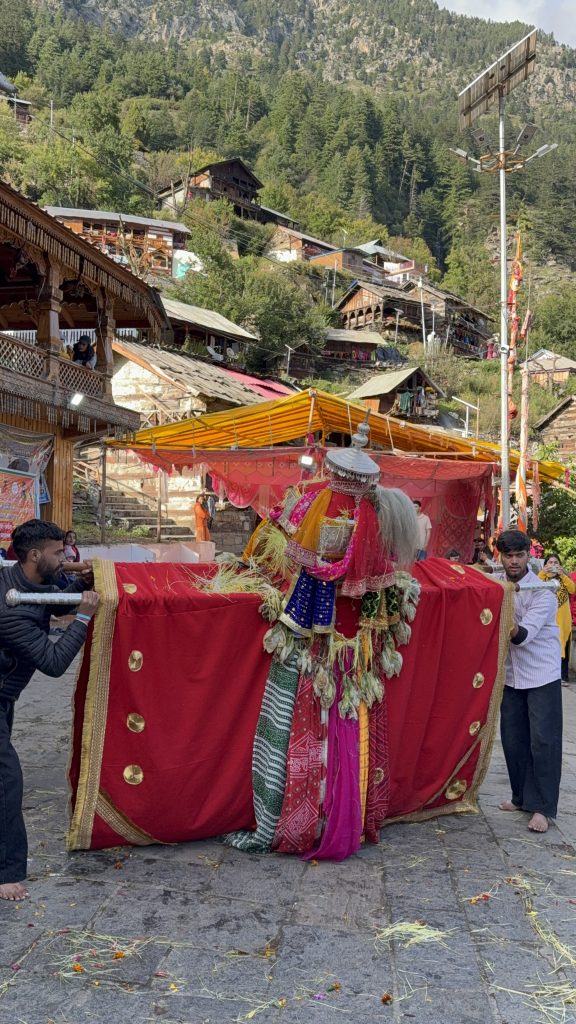
In Mukhwa, often called Goddess Ganga’s winter home, we stopped at the Ganga temple. Dheeraj told us that the river goddess’s idol is brought here when the Gangotri temple closes for winter. As we walked through the village, Selku celebrations were underway here too, giving us another glimpse of the festival that brought these villages together.
Harsil and Bagori – A Different Side of the Valley
From Jhala, we set out to explore more of the valley, visiting Harsil and neighbouring Bagori. Bridges lined with fluttering prayer flags led us across the river. Harsil, on the banks of the Bhagirathi, is a familiar stop for travellers heading to Gangotri, with its apple orchards and mountain views.
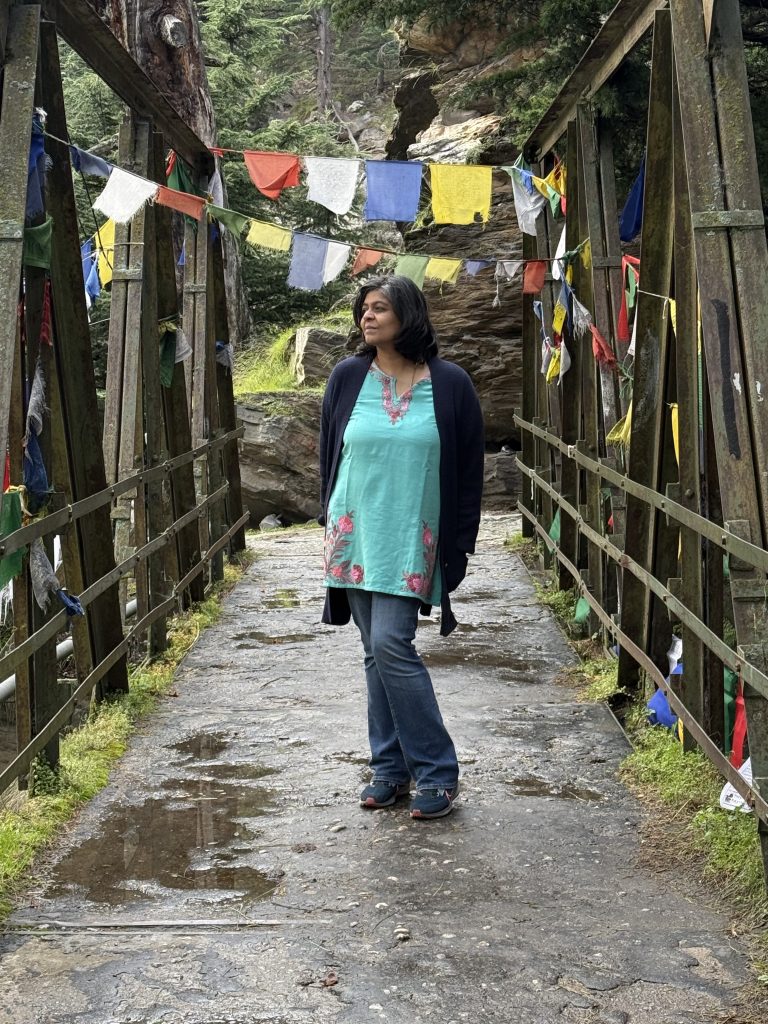
Every turn looked like a picture postcard, but the atmosphere felt different from the quieter villages we had visited. Harsil buzzed with visitors, souvenir shops, and people running errands. Although the smaller villages had their own markets,
Harsil served as a hub where residents came for groceries, medicines, and other essentials. Jyoti and Khushi had another reason to stop—the momos!
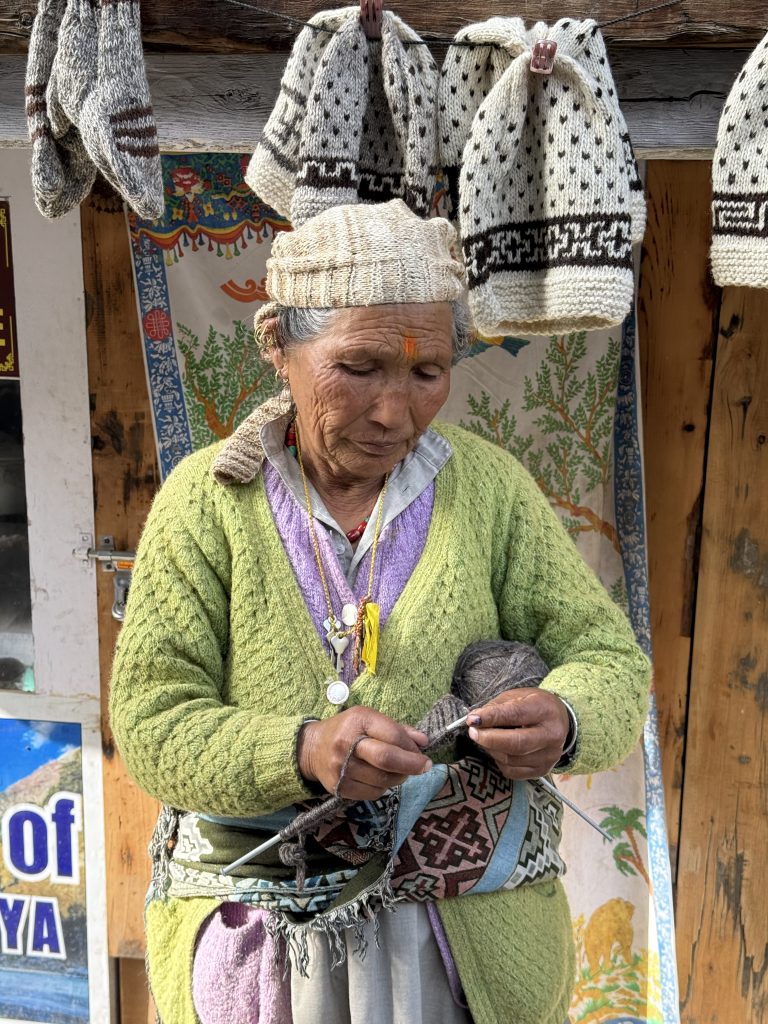
In Bagori, the valley’s stories took us towards Tibet. Home to the Jadh Bhotiya community, the valley’s Tibetan influence gave it a different vibe. Older women sat in their little shops, knitting, surrounded by colourful woolen caps and other handmade pieces.
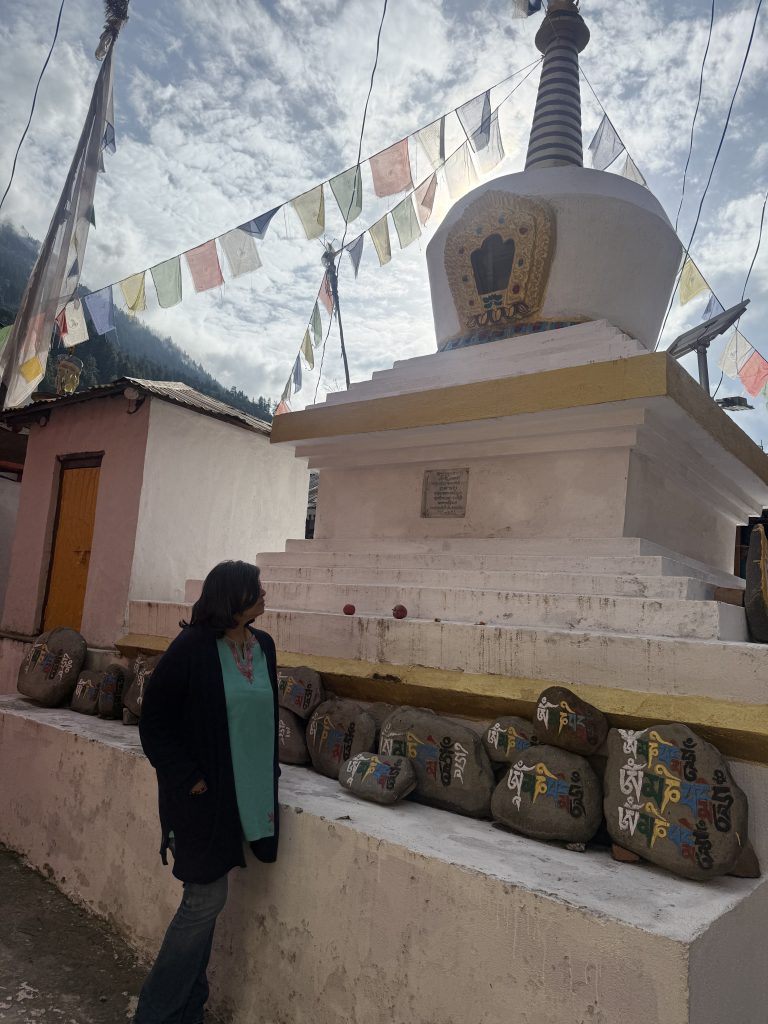
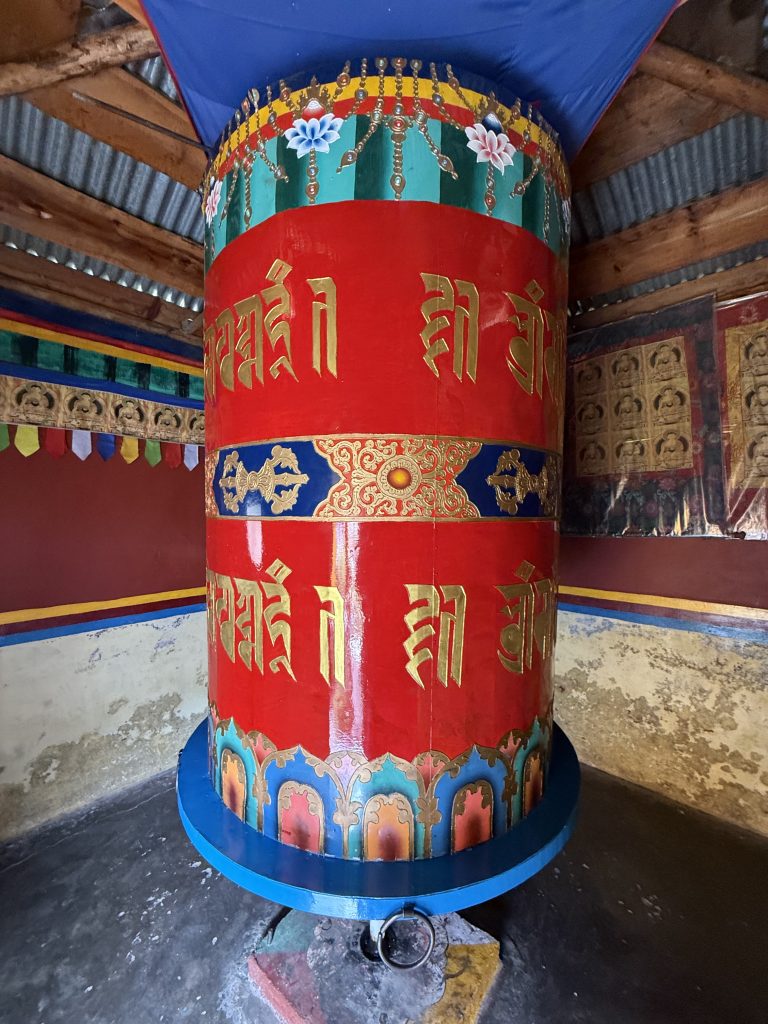
We spent a few quiet moments in the Buddhist monastery and walked around the stupas, away from the chatter of the shops and streets. And through it all, the river remained our constant companion, changing colour and mood as we crossed bridges or followed her banks.
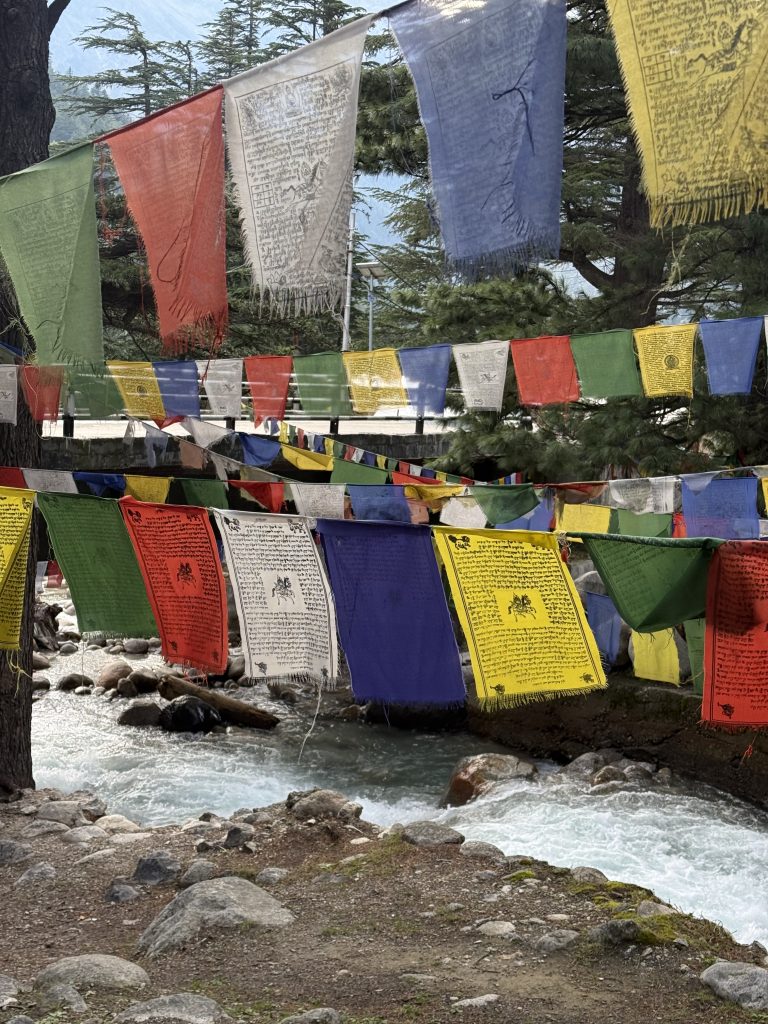
These villages had their postcard beauty, but spending time here also showed us how the valley came together—to shop, pray, meet, and share a meal.
Dharali – Where Homes Once Stood
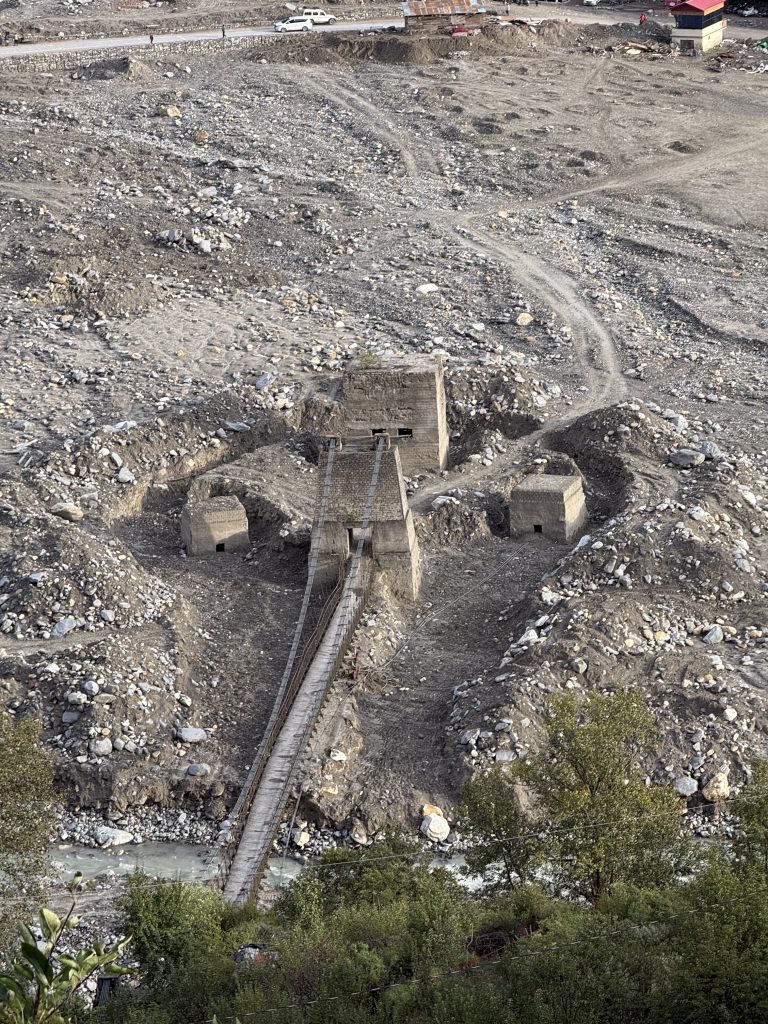
On the way back to Jhala, we stopped at Dharali, devastated by the flash flood a year ago. Homes, shops, and livelihoods had disappeared beneath water and debris, and all we could see were vast empty stretches of land where they once stood. Dharali reminded me how powerful nature is, and how fragile mountain life can be as climate change adds to its uncertainties.
I thought of the families who had welcomed us, and felt grateful for the ordinary moments we had shared—a meal, a conversation, a day together.
Back in Jhala for Selku
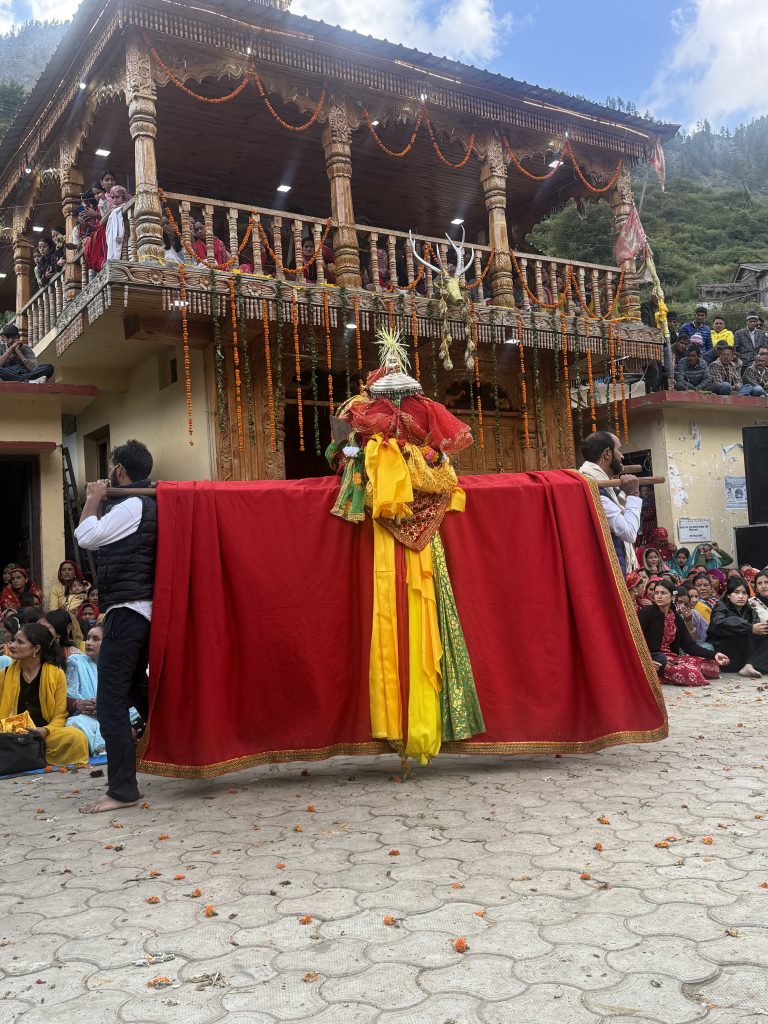
Back in Jhala, the music drew us towards the temple, bringing back the excitement of our arrival in Purali. The village had gathered for Selku, the Devdoli was ready, and Brahma Kamal flowers filled the temple of Someshwar Devta.
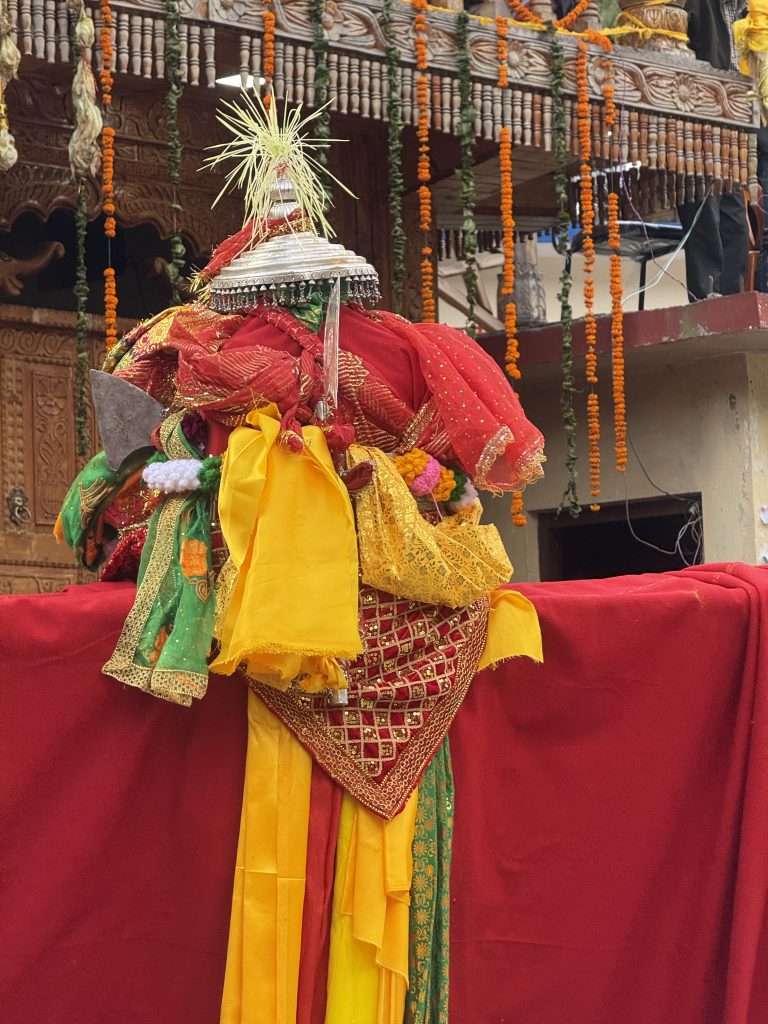
For around two centuries, generations of local families in Jhala and in neighbouring villages have kept Selku alive, passing its rituals, beliefs and memories from one generation to the next. They are the guardians of this tradition, and this continuity has allowed the festival to retain its essence.
Jyoti and Khushi helped me dress for Selku, wrapping the red Patteda around my woollen Pankhi, arranging the Danthu over my head and adding the traditional necklaces. Against my sea-green blouse, the colours came alive. For a moment, I felt like a young Garhwali girl, who belonged right here in the mountains.
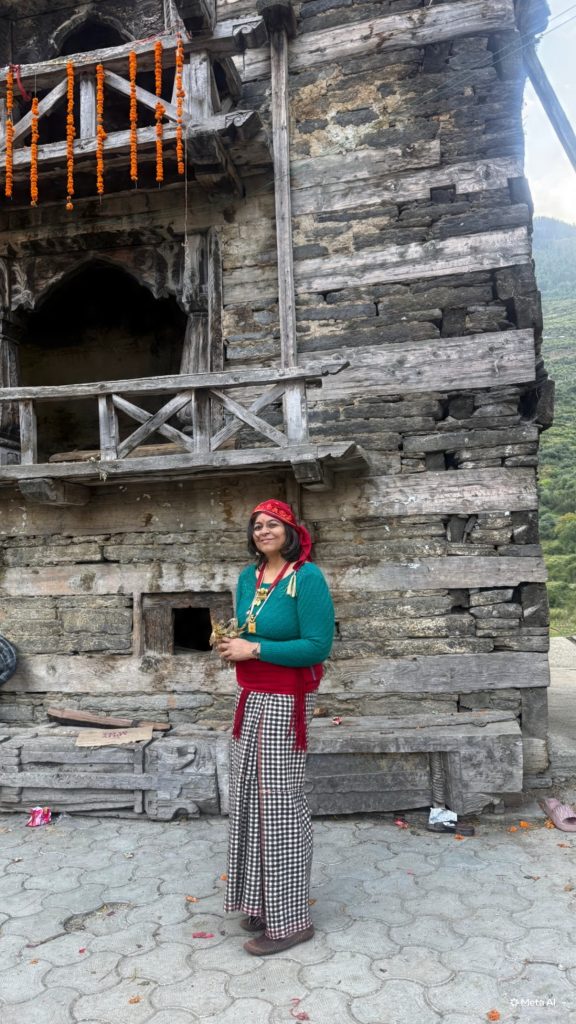
At the temple, I joined the women and followed their dance steps, catching their smiles as we moved together. I felt I belonged there, with Jyoti and Khushi beside me and the whole village celebrating around us. I had arrived as a guest, but that day I felt like one among them.
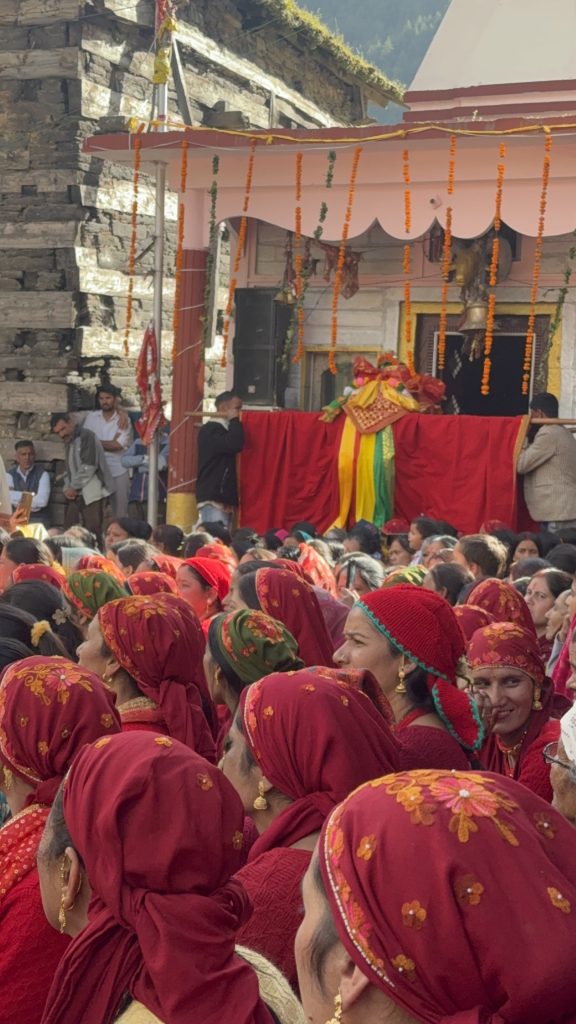
Then the music gathered intensity. The Pashwa—the person chosen as the deity’s medium—entered a trance. In local belief, this is Dev Avataran, the moment when Someshwar Devta manifests through the chosen medium. Barefoot, the Pashwa then stepped onto the sharp edges of upturned axes and walked and danced across them as the drums grew louder.
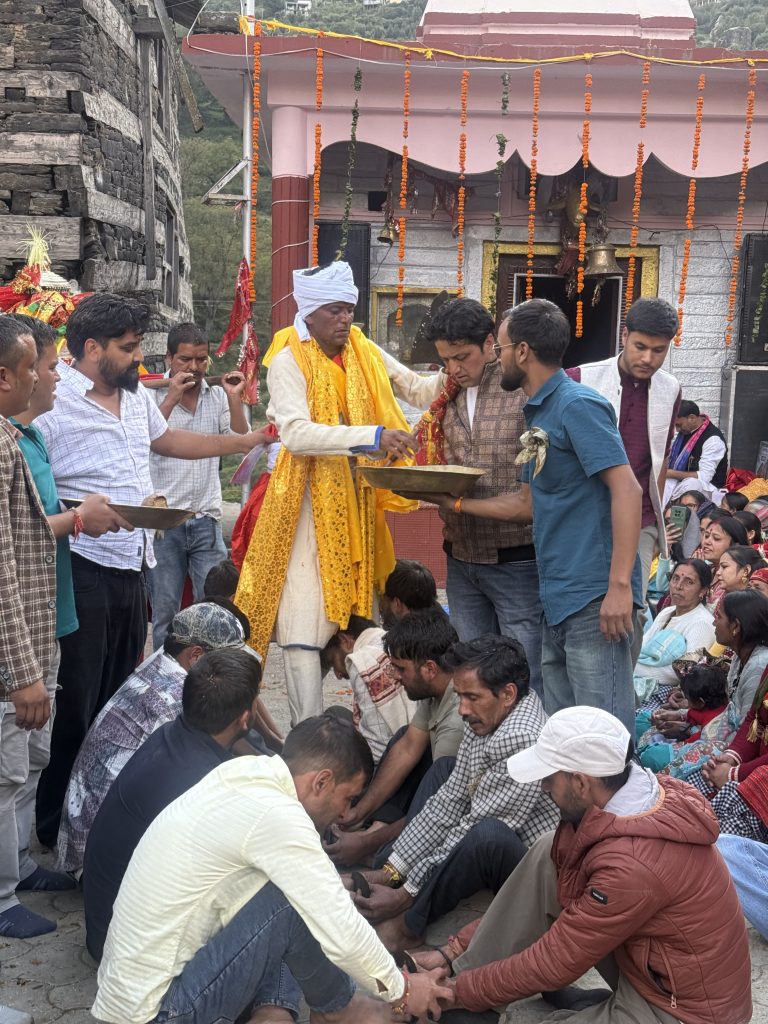
I watched with awe. Our journey had begun amid the festivities in Purali, and it was ending here in Jhala, among people who had become friends. I thought of Chandadevi’s stories, Dhiraj’s walks, and the hours spent with Jyoti and Khushi over meals and cups of seabuckthorn tea.
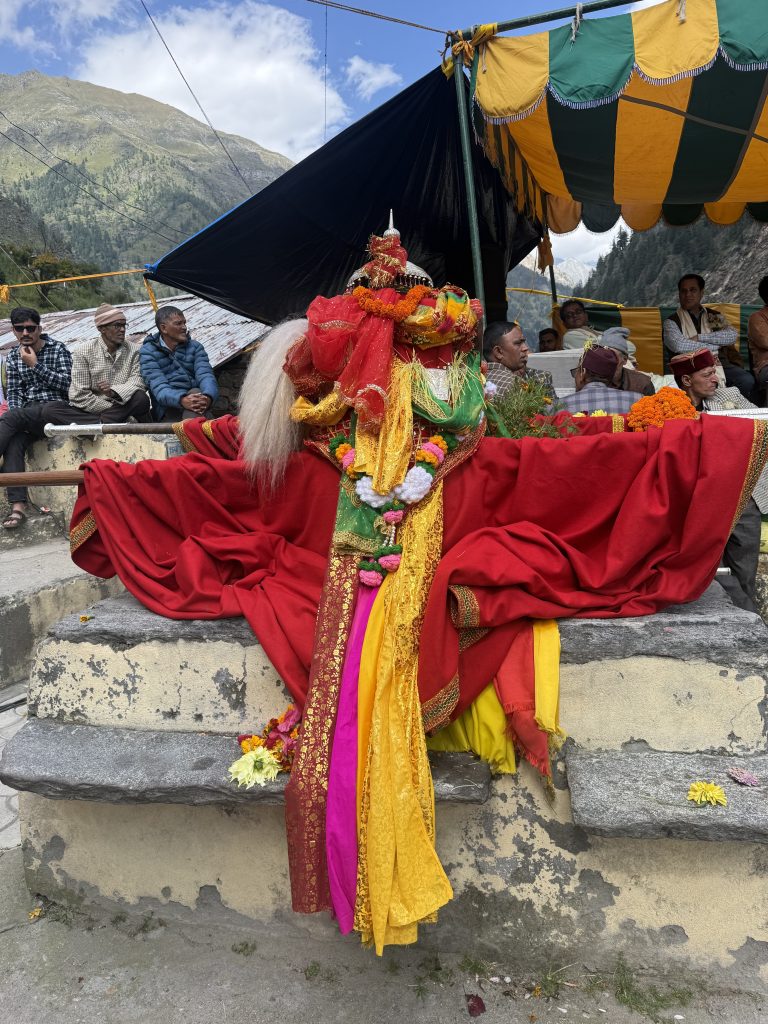
I carried with me the stories we had heard in the villages, where the gods were part of family life, festivals, and everyday conversations. Standing by the river, I felt grateful that our journey had given us time for both—the pilgrimage and the people along the way. They had let me share a little of their lives, and leaving them was harder than I expected. Somewhere along the way, I left a piece of my heart in the mountains by the river with these lovely people as the Pahadi girl in me came alive.
Planning Your Rural Stay near Gangotri
What is Rural Stays Gangotri?
Rural Stays Gangotri is a community initiative supported by UNDP and implemented by Village Ways in Uttarakhand’s Harsil Valley. The villages are Jhala, Jaspur, Purali and Sukkhi. Local families, guides and craftspeople welcome travellers into their villages through homestays, walks, food and cultural experiences.
Which villages in the Harsil Valley offer homestays?
You can stay in family-run homestays in villages such as Jhala, Jaspur, Purali and Sukhi. I stayed at River View Homestay in Jhala, hosted by Jyoti, her cousin Khushi, and their families, and also visited a homestay in Jaspur.
Can I visit Gangotri Dham while staying in a village homestay?
Yes, you can stay in any village homestay and include a visit to Gangotri Dham in your journey; it’s about a couple of hours by road. During my stay in Jhala, we visited the temple for darshan, spent time beside the Bhagirathi River, and walked to Surya Kund.
What local experiences and trails can I enjoy during my stay?
You can walk through apple orchards, visit village temples and old wooden homes, share Pahadi meals and meet local craftspeople. Guided walks include river trails and sections of the old pilgrim and trade routes, forest trails, and even a Mondal trail.
How can I book a homestay with Rural Stays Gangotri?
Contact Village Ways to enquire about Rural Stays Gangotri homestays and village experiences. Confirm availability, meals, transport, and guided walks before booking, and mention any festivals or trails you would like to include. You can also mail info@villageways.com
The post Gangotri Rural Stays -Experience Rural Tourism in Gangotri, Uttarakhand appeared first on Lakshmi Sharath.



0 Comments